Journal
Kingfisher: A Sailing and Climbing Expedition in Southeast Greenland
A full trip report is available: Greenland 2026 trip report.
In July 2026, a team of six set out on Kingfisher, a 32-foot wooden ketch, to go climbing in southeast Greenland. Meg Loftus, Lara Novak, Charlie Banford and Will Jones formed two teams of climbers, with Bella Southall and Gabi Krawczyk forming an additional set of hands for sailing. The group spent seven weeks living on board, putting up first ascents in Kulusuk and Graah Fjord.
Words by Will Jones
The idea for an expedition to southeast Greenland first became an idea in 2024 when Meg and Lara were crossing the North Sea, having taken Meg’s boat Kingfisher to go climbing in Lofoten. Filled with expedition literature, they wanted to take the sail to climb idea further, and Southeast Greenland presented itself as a fantastical goal for two budding adventurers. Two years of university and planning later led them to establish a crew of six, and an objective of Graah Fjord, a remote fjord system 190 nautical miles south of Tasiilaq. Other than a Swiss Alpine Club Women’s Expedition in 2025, there are no reports of trips to this area.
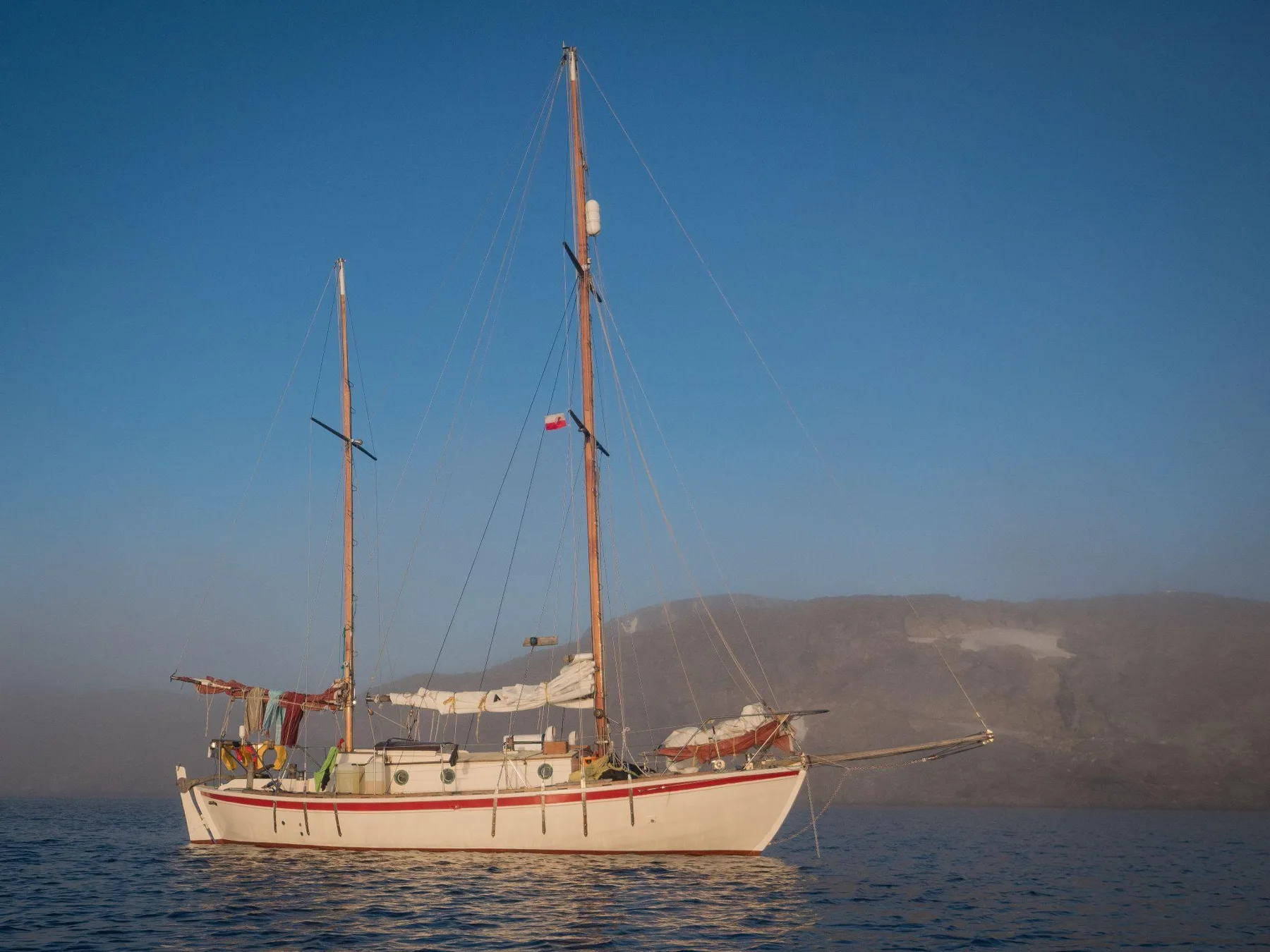
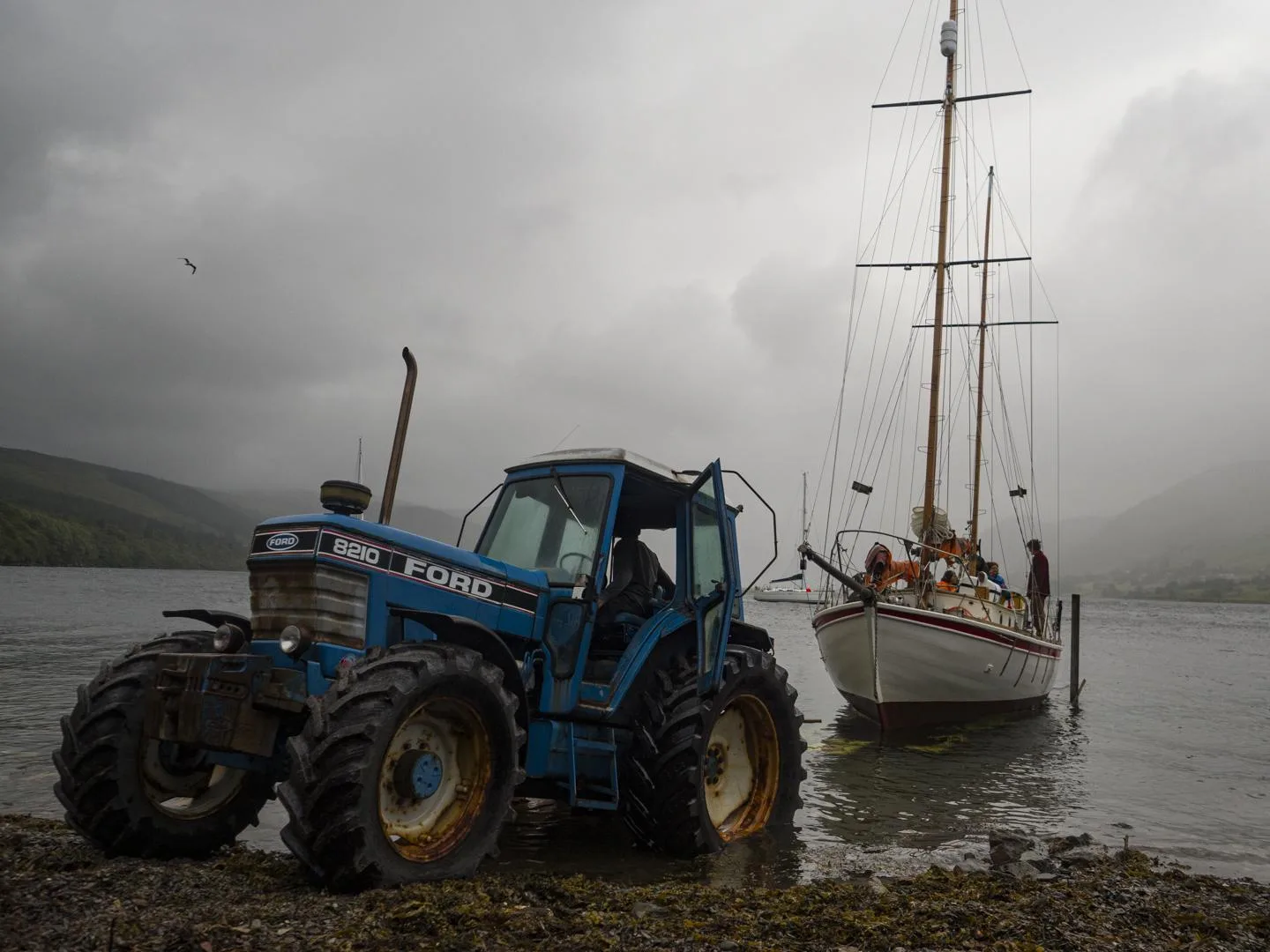
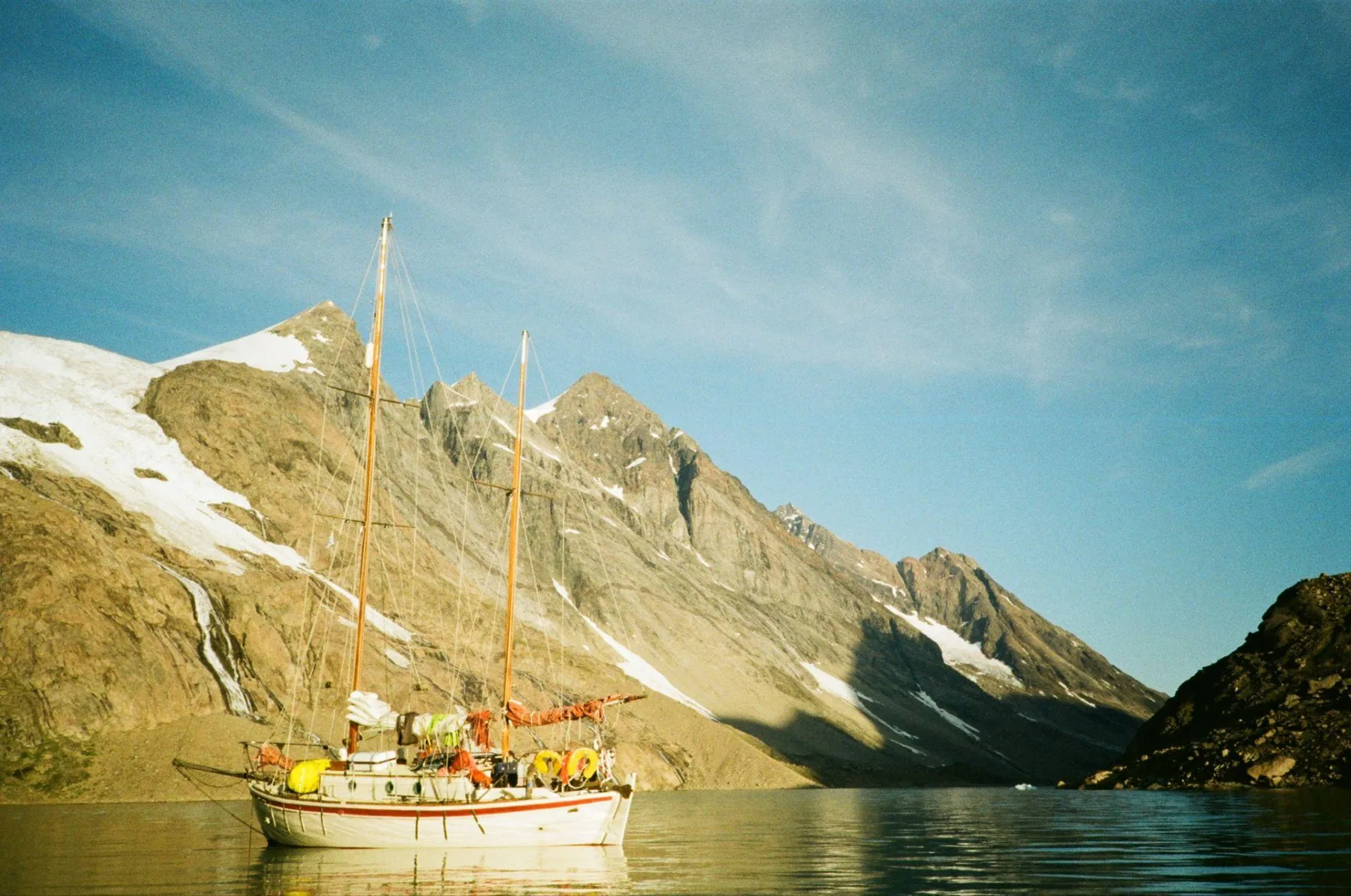
Kingfisher is a 1974 32ft William Atkin ‘Eric’ yacht, built out of tropical hardwood Chengal. Despite being greatly ineffable, Greenland would provide a challenge for Kingfisher without some serious overhauling and TLC. The run up to the trip was spent in a haze of anti-fouling fumes at the Johnson and Loftus boatyard. Meg, Lara, Charlie and I, along with the help of Dan Johnson and Tim Loftus, spent five weeks doing engine maintenance, pulling out fuel and water tanks, scraping the depths of the bilge (which is not to be underestimated), painting, rigging, patching, installing, and buying all of Ullapool Tesco’s tins. But miraculously, we hit our goal of leaving on July 10th early, and on July 9th five of us, sans Gabi, began our passage across the minch and further 500 miles to Iceland, chaperoned by a pod of local dolphins.
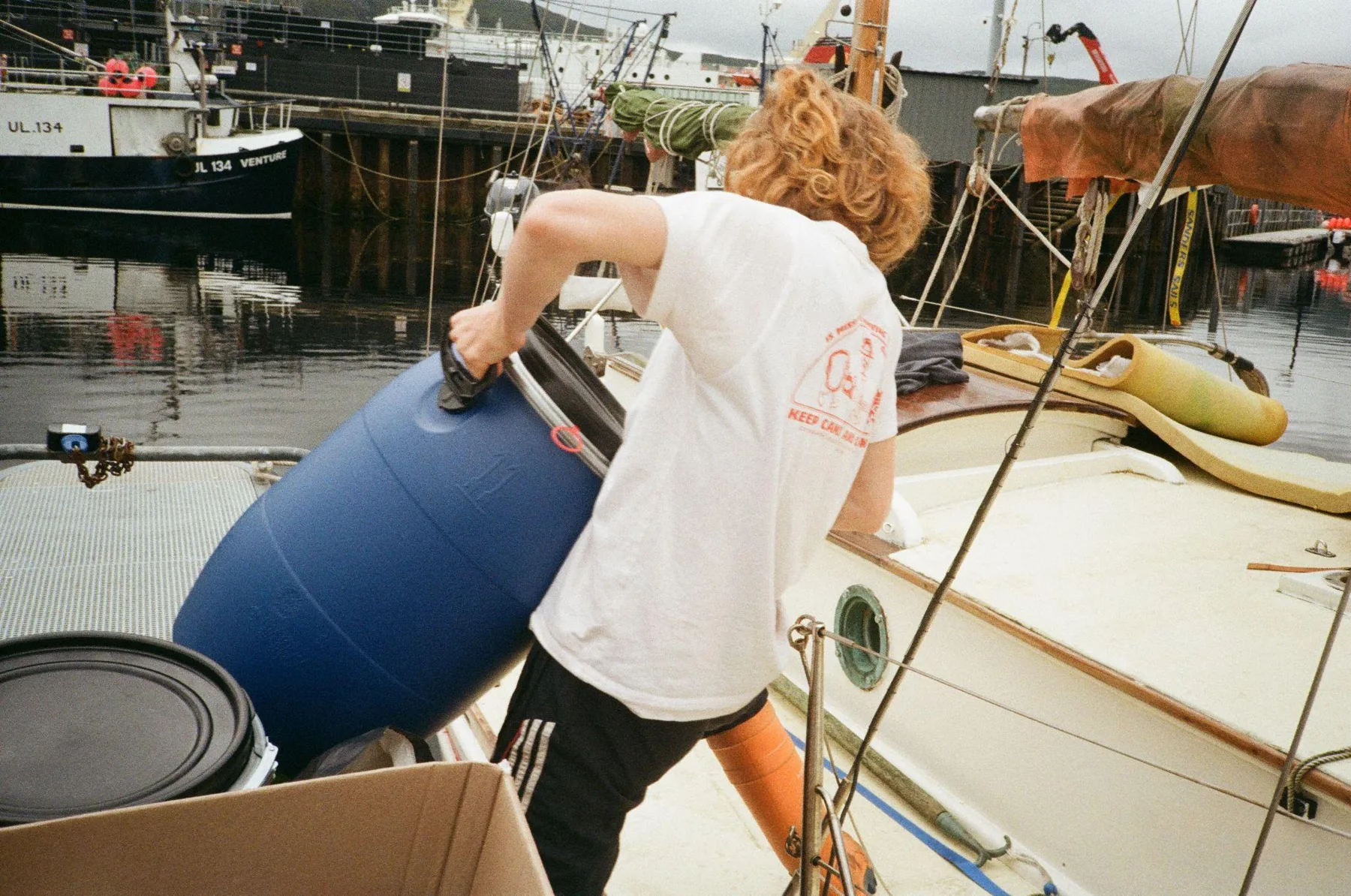
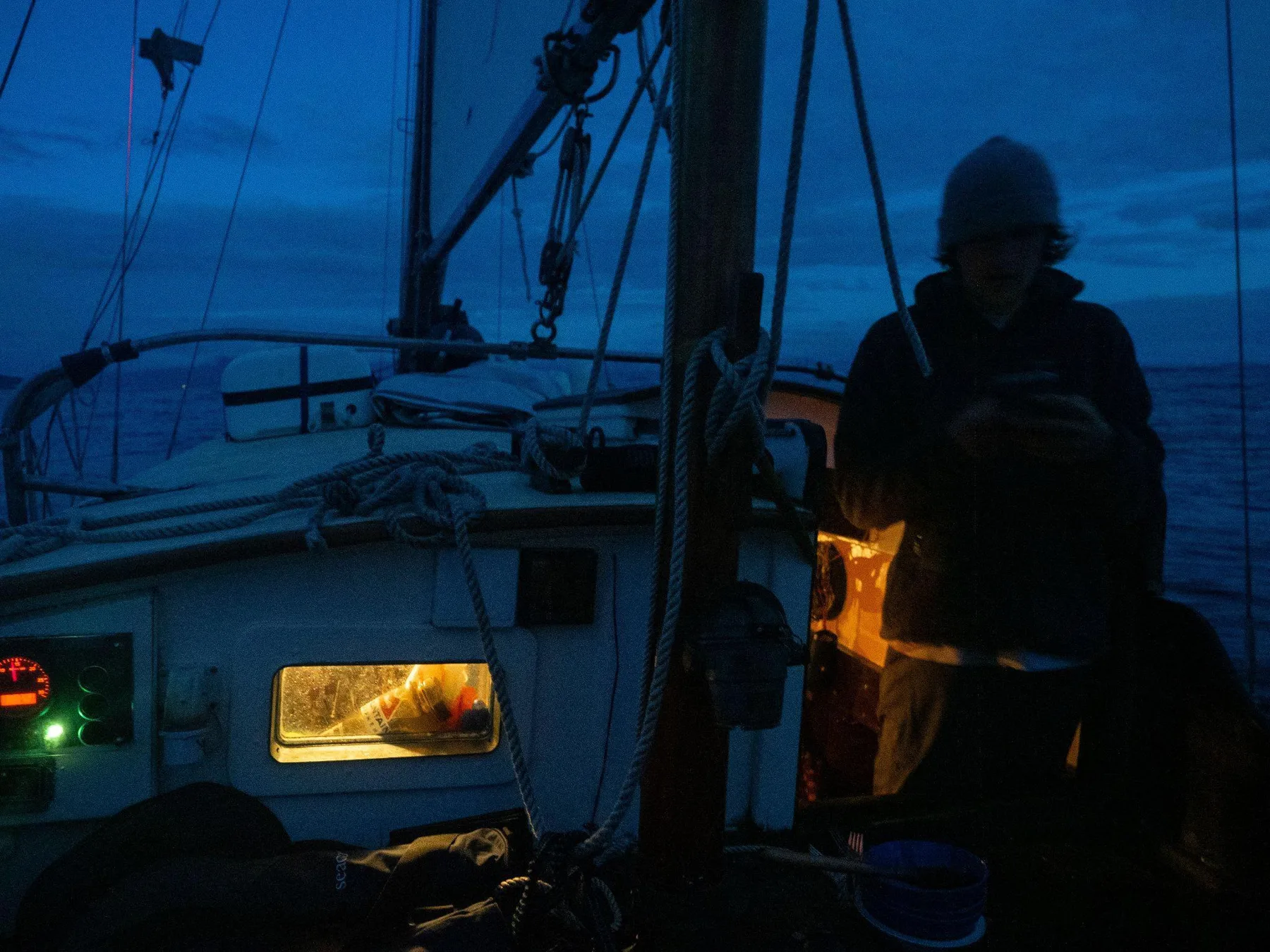
The first few days of sailing were tough on the stomach for some of the crew (me). We motored through a large swell with light winds, working two person watches of 3 hours on, 4.5 hours off. The sound and smell of the engine while being thrown about down below is quite a visceral experience, and it was overwhelming to imagine two months of this.
However, by day six conditions had improved, the wind was behind us, and we entered Vestmannaeyjar for our first deluxe Icelandic hot baths! Some repairs to our sheet blocks and genoa were made before a swift departure for Reykjavik. It was tough going on this leg - strong westerlies meant we were tacking under engine straight into choppy waters, getting sprayed for a day but having the time of our lives. On July 18th, we entered the capital through thick fog, excited to have some better rest for a few days.
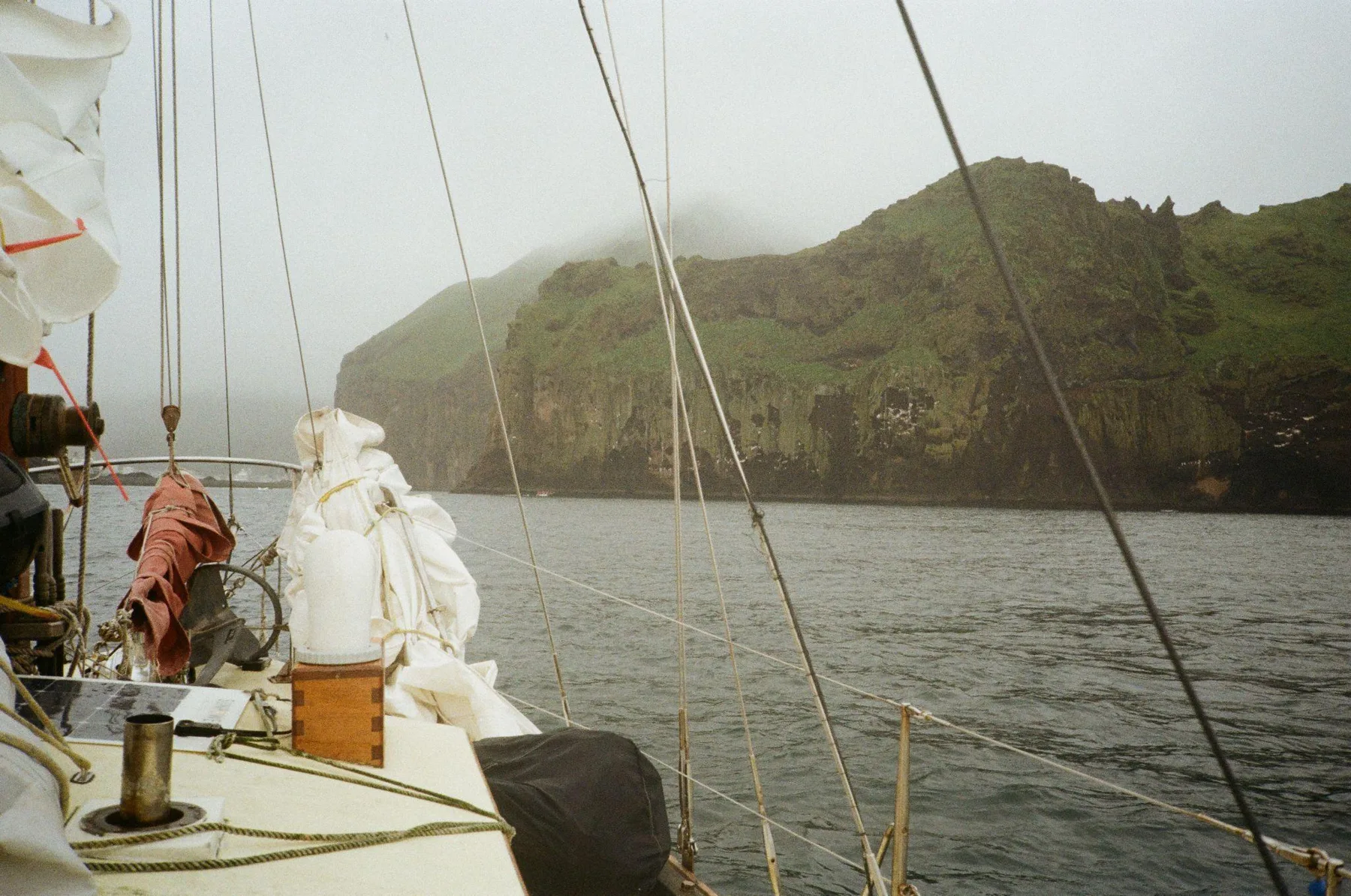
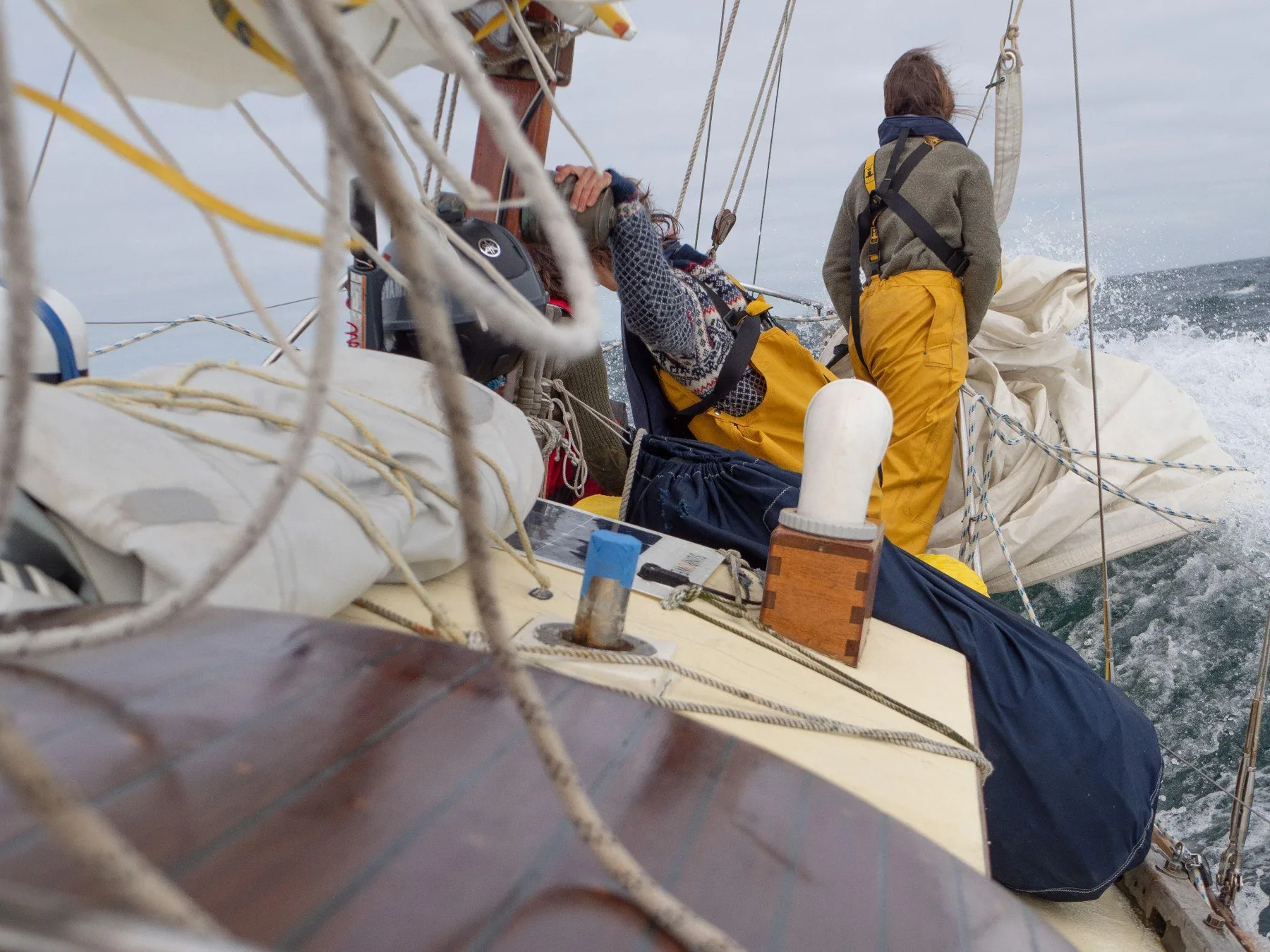
We became quite restless in a wet Reykjavik, eager to get on with the next 450 mile passage to Greenland. Eventually the weather became stable, Gabi joined us, and at 1am on 24th July we left for Kulusuk in light winds. For the most part this leg was very simple, and an extra team member alleviated the watches to be a luxurious 3 hours on, 6 off - we even had time to competitively see who could read the most. The sea was flat - when the wind was there we sailed, and when it was not we motored. However, some 100 miles out from Greenland our forwards gear stopped engaging. We turned around, as to not be heading into iceberg territory without a motor, but after a few hours of deflated troubleshooting in the engine bay, we tightened our morse cable, and managed to get going towards Greenland again. The next day was beautifully still and arctic birds circled Kingfisher. Temperatures plummeted as we entered the colder Greenlandic currents, and we experienced our first of many a frosty sunset, drawn out by the higher latitude days. The journey had been decidedly grey until this point.
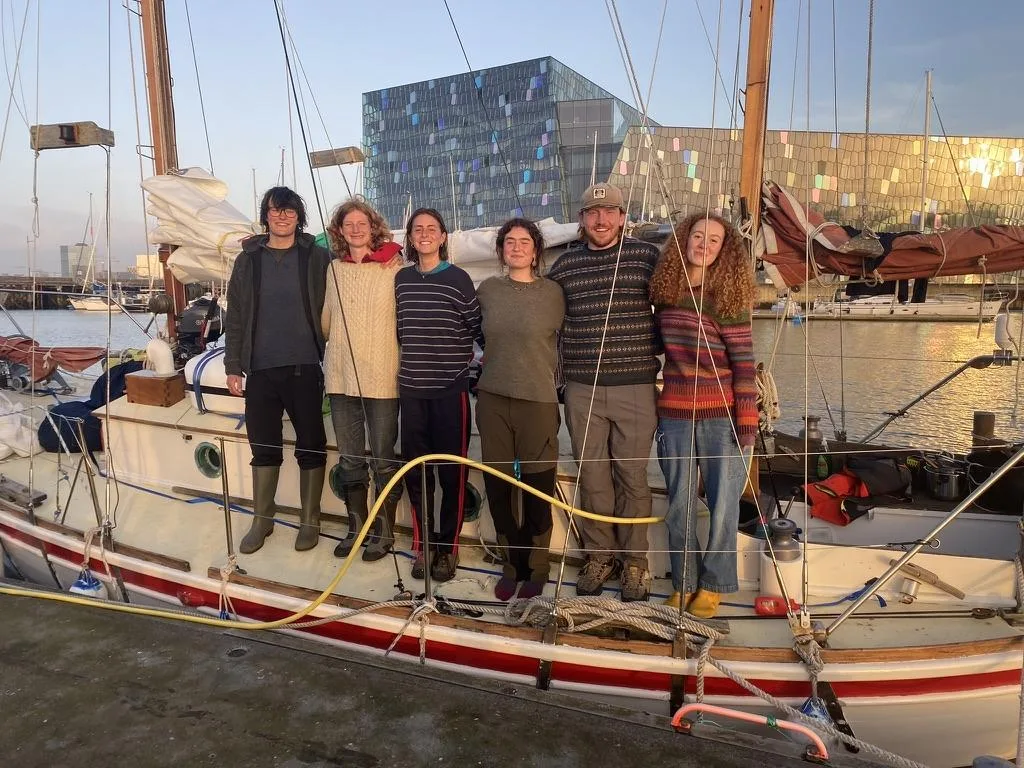
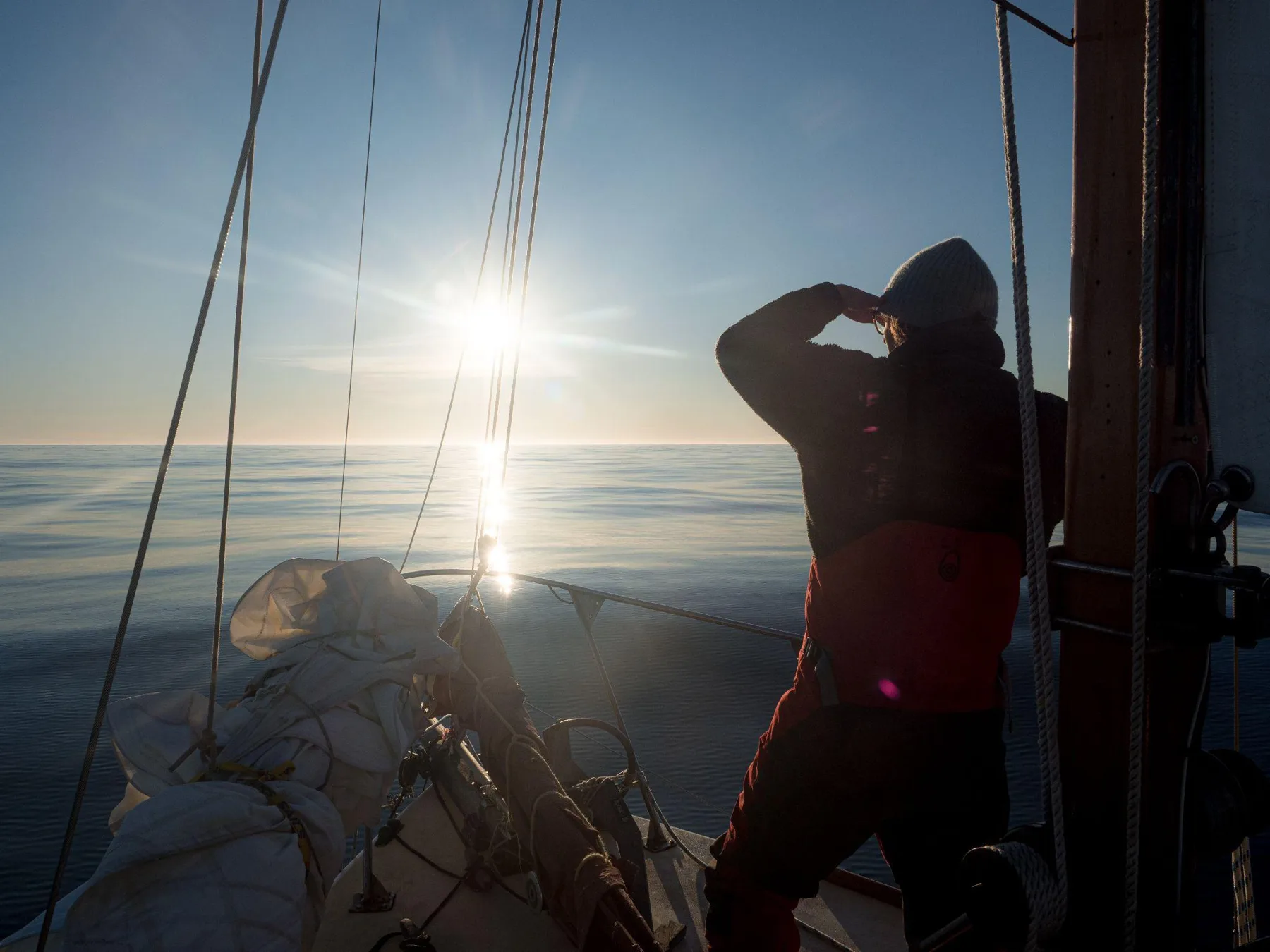
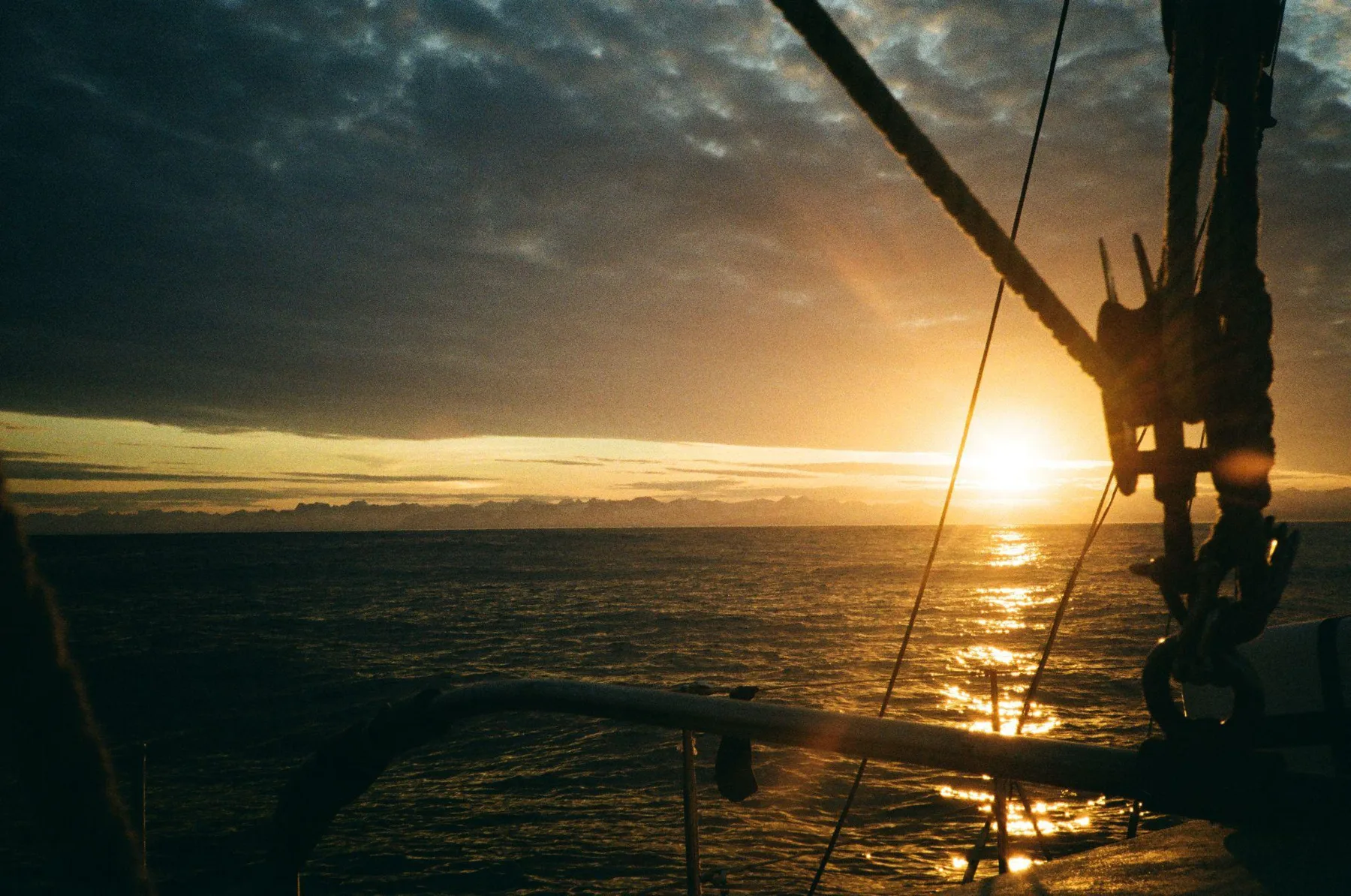
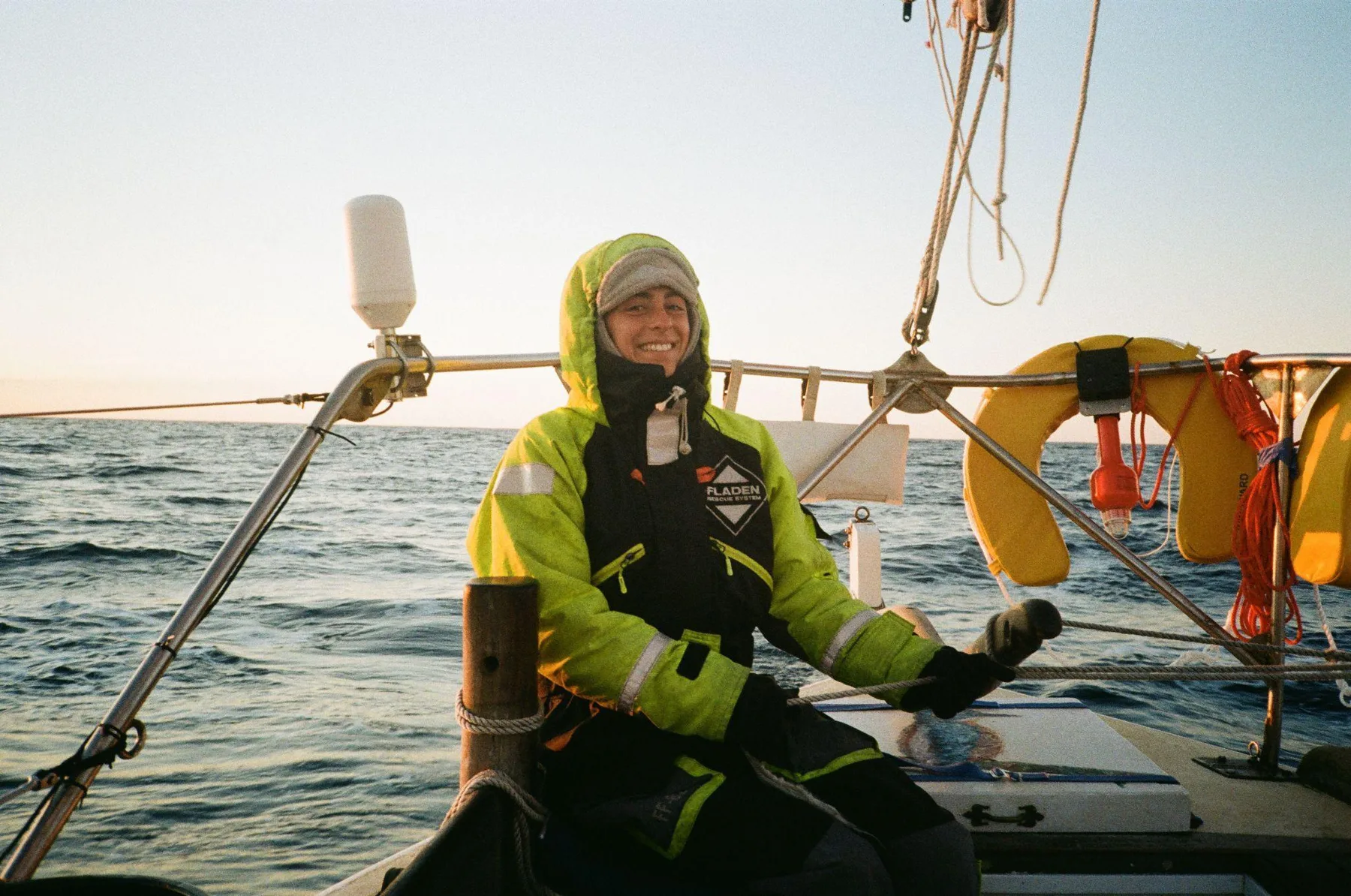
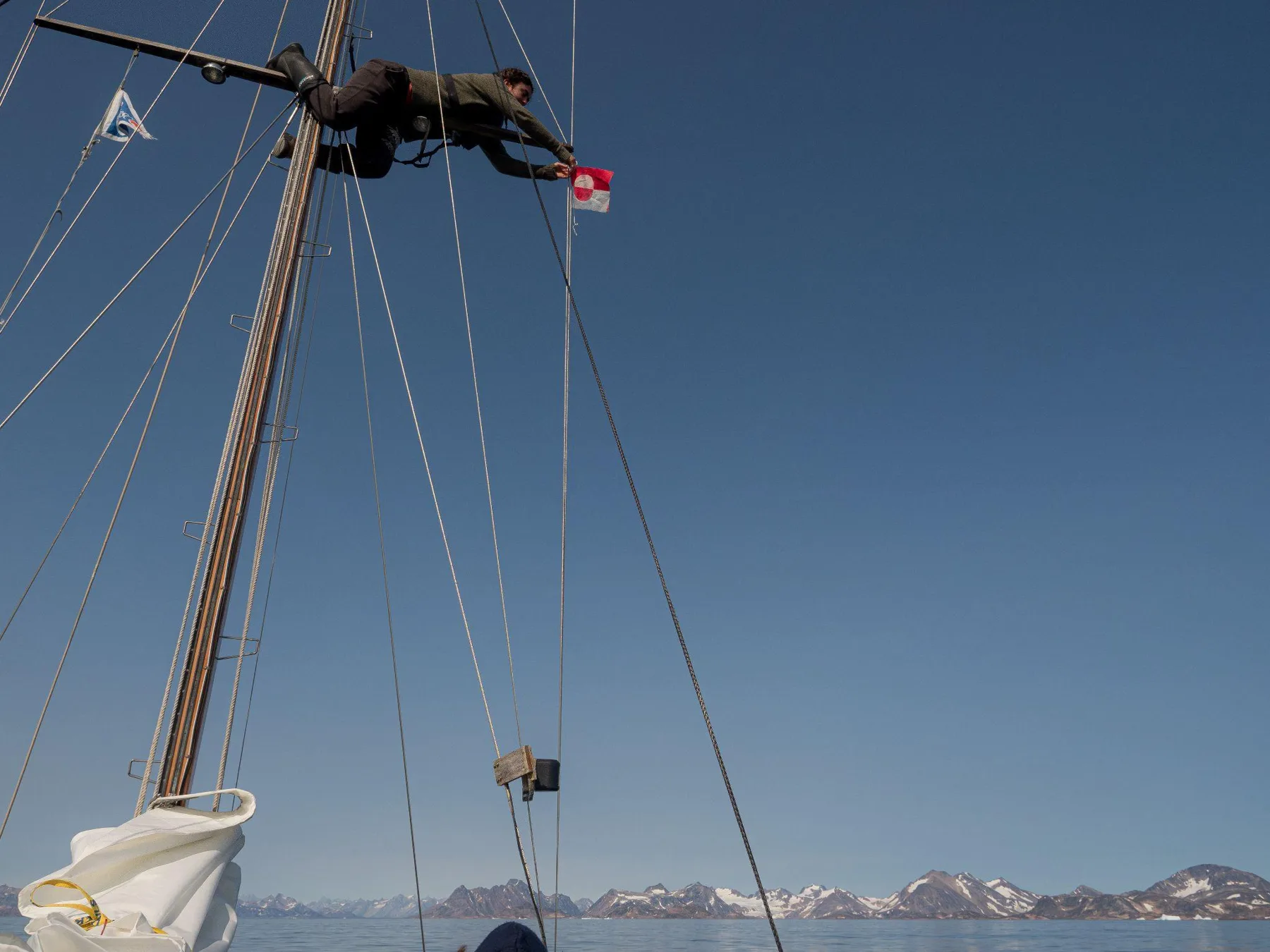
An equally incredible sunrise on the 27th brought about our first Iceberg and land sighting. We approached Kulusuk from the South East with hesitation - digital and paper charts are lacking in the area, and both rock and iceberg would not be good for our wooden hull. Our entrance to Kulusuk was going very smoothly until some hundred metres out from the anchorage when lower revs caused our gearbox to slip in gear. We dropped anchor, and collapsed in an emotional cocktail of elation, relief and trepidation. Thankfully our reverse gear was working. The next day we ripped open our gearbox and had our fears confirmed - the forward gear cone had worn out. We did have an idea to flip the cones and in the hope we would have forwards but no reverse, but for this we needed a huge 36mm socket. While we searched for one of these, we met with Matt and Helen Spenceley, who run the guiding lodge and guiding company Pirhuk in Kulusuk. They had helped us buy two hunting rifles, which we picked up and practiced with out of town. They also suggested we try the airport for tools, so we packed the gearbox into a bucket and carried it over. Thanks to the generosity of Bendt (the airport manager) and Mugu (local policeman, mechanic, maybe more) we were able to reverse the cones. They also let us purchase two litres of ATF fluid (gearbox oil). We spent the evening sealing the gearbox back together, and tested it the next - it worked! Somehow it also worked in reverse, most likely thanks to the clean oil.
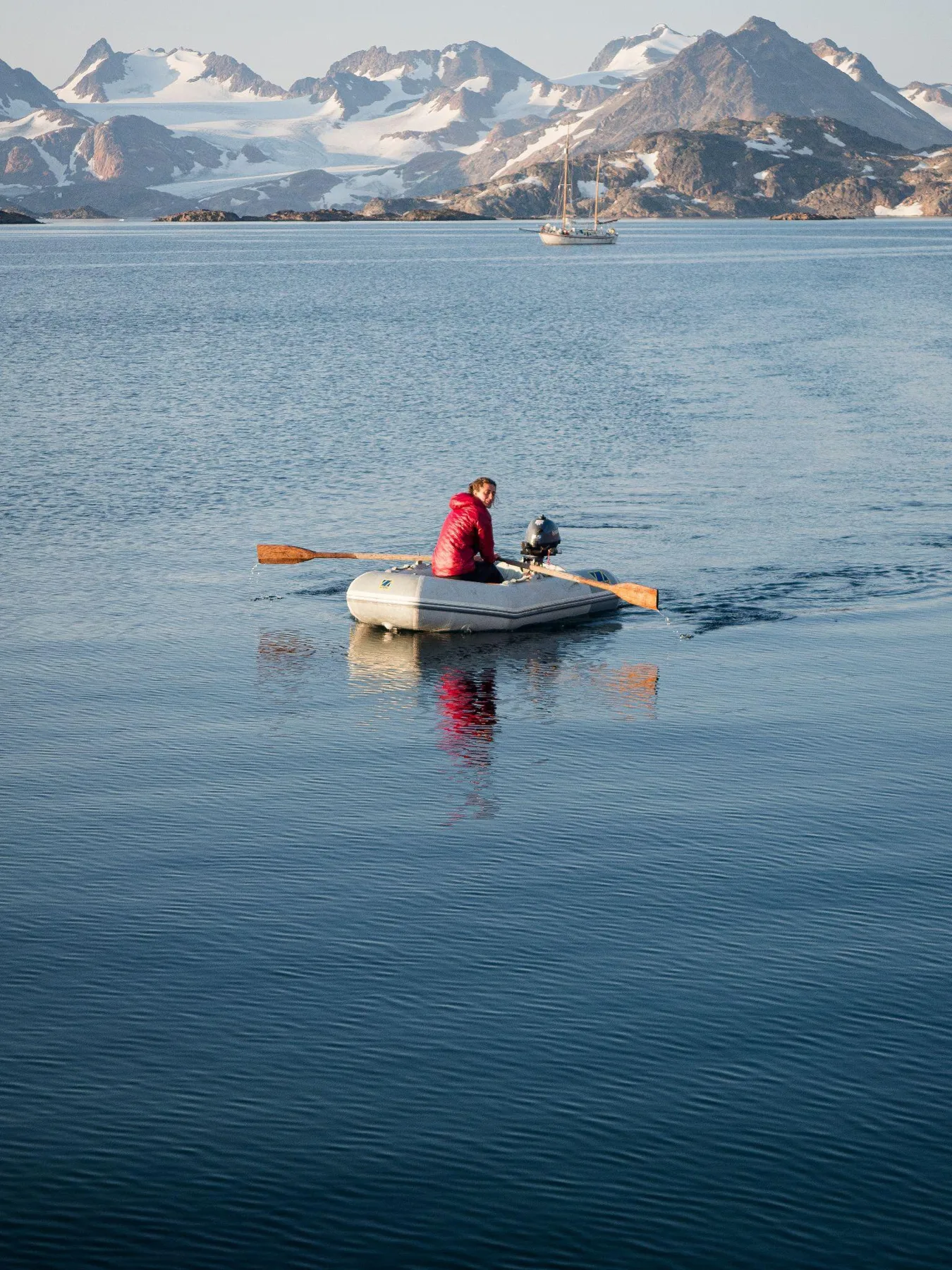
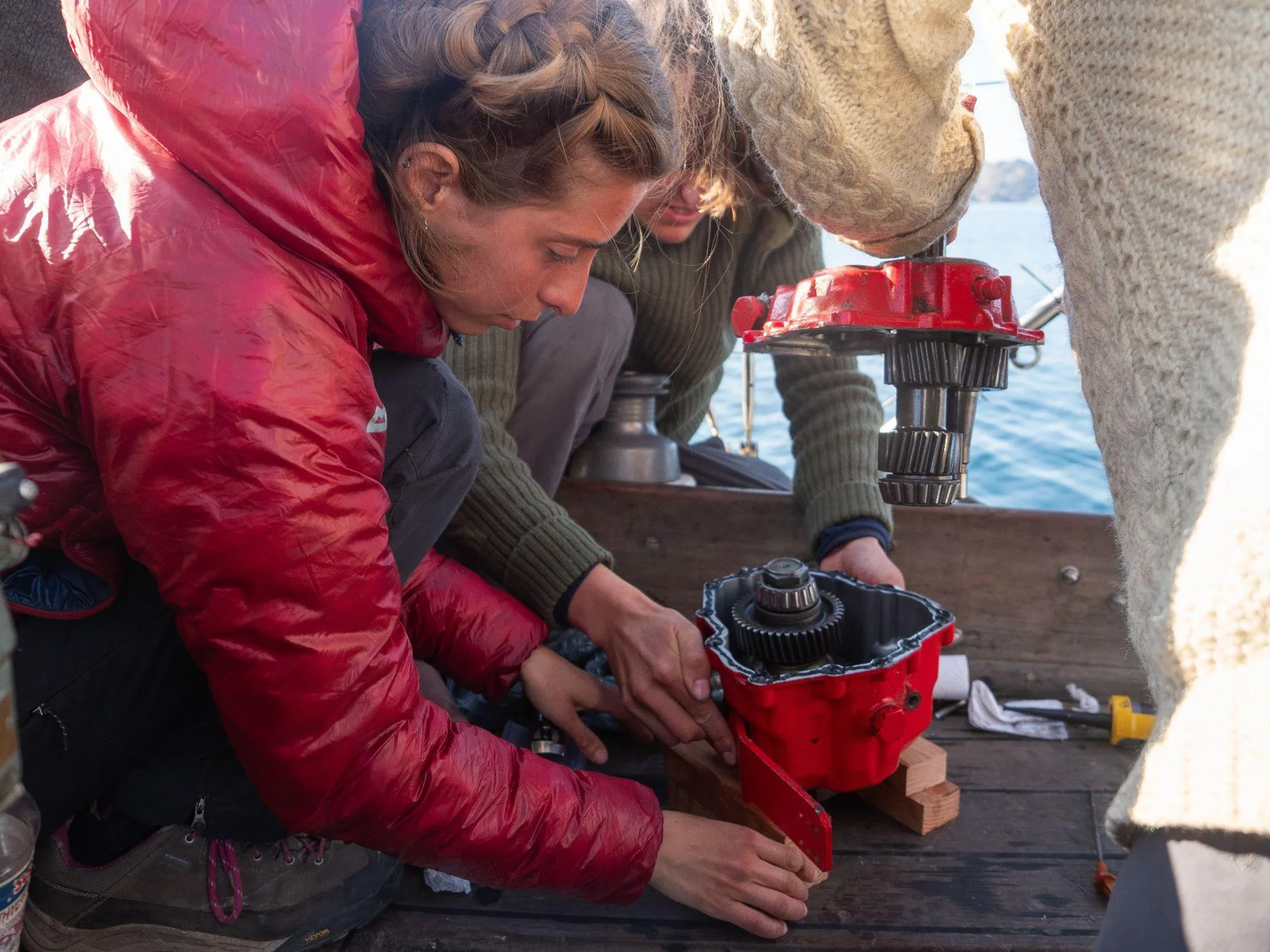
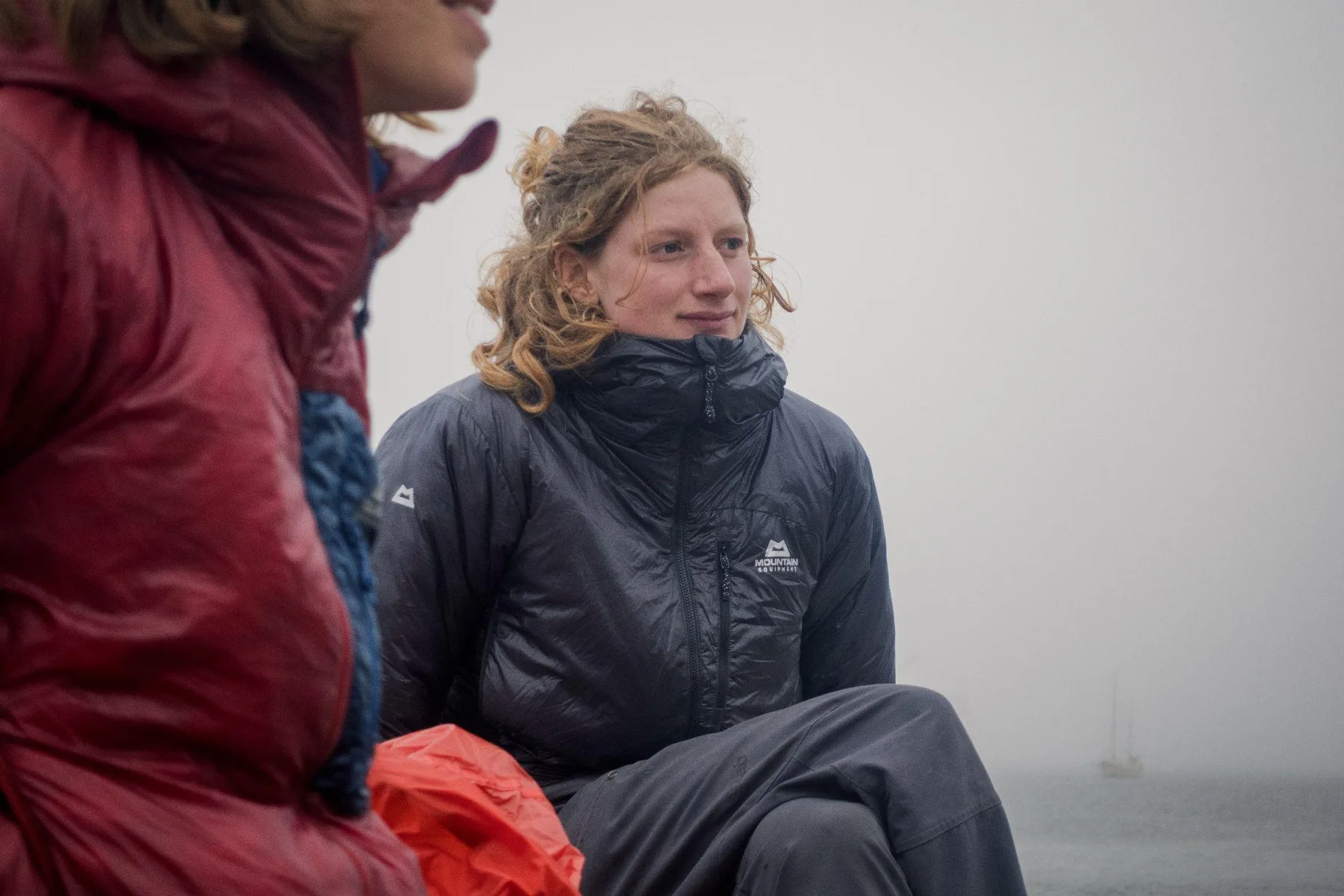
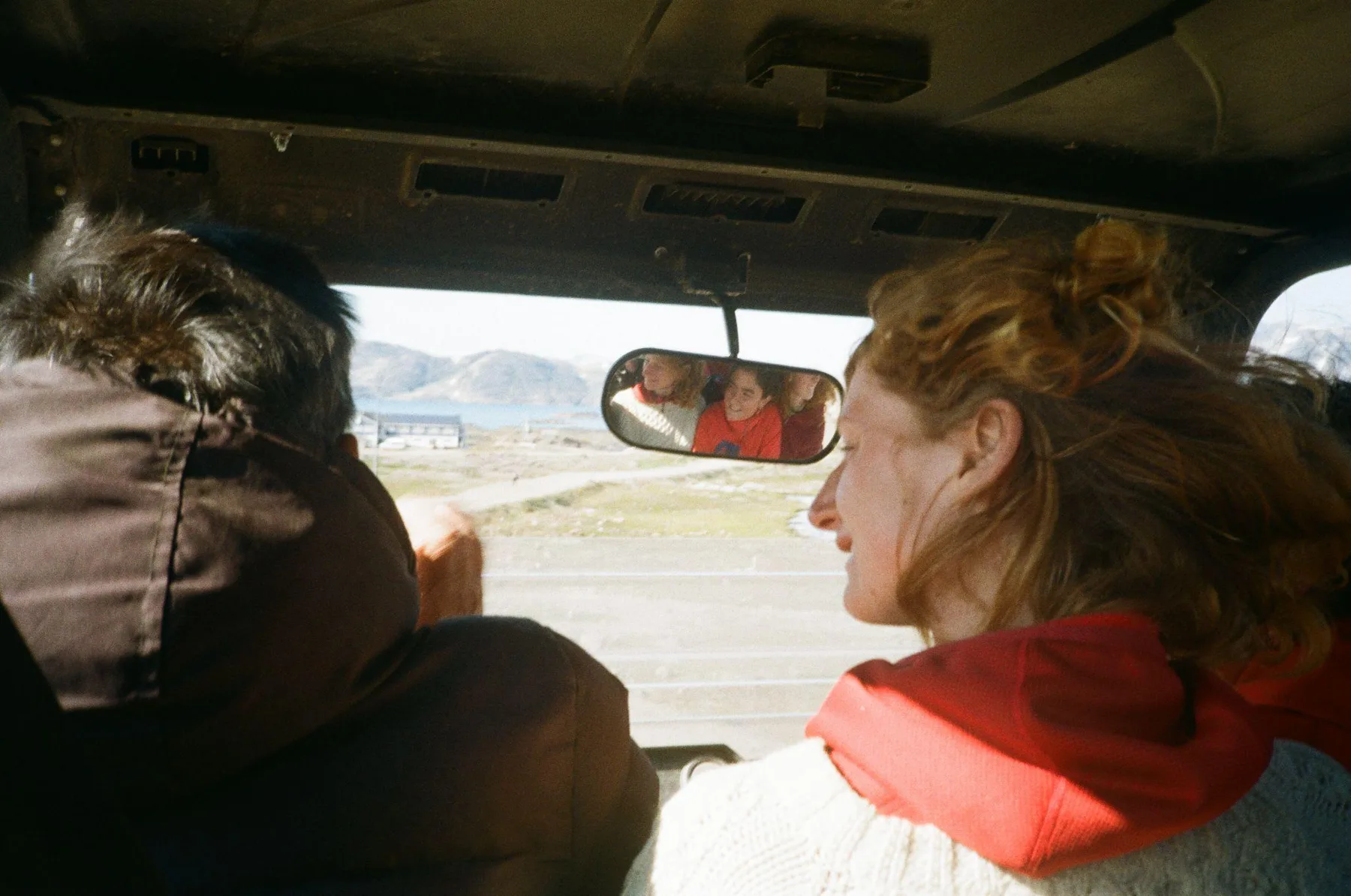
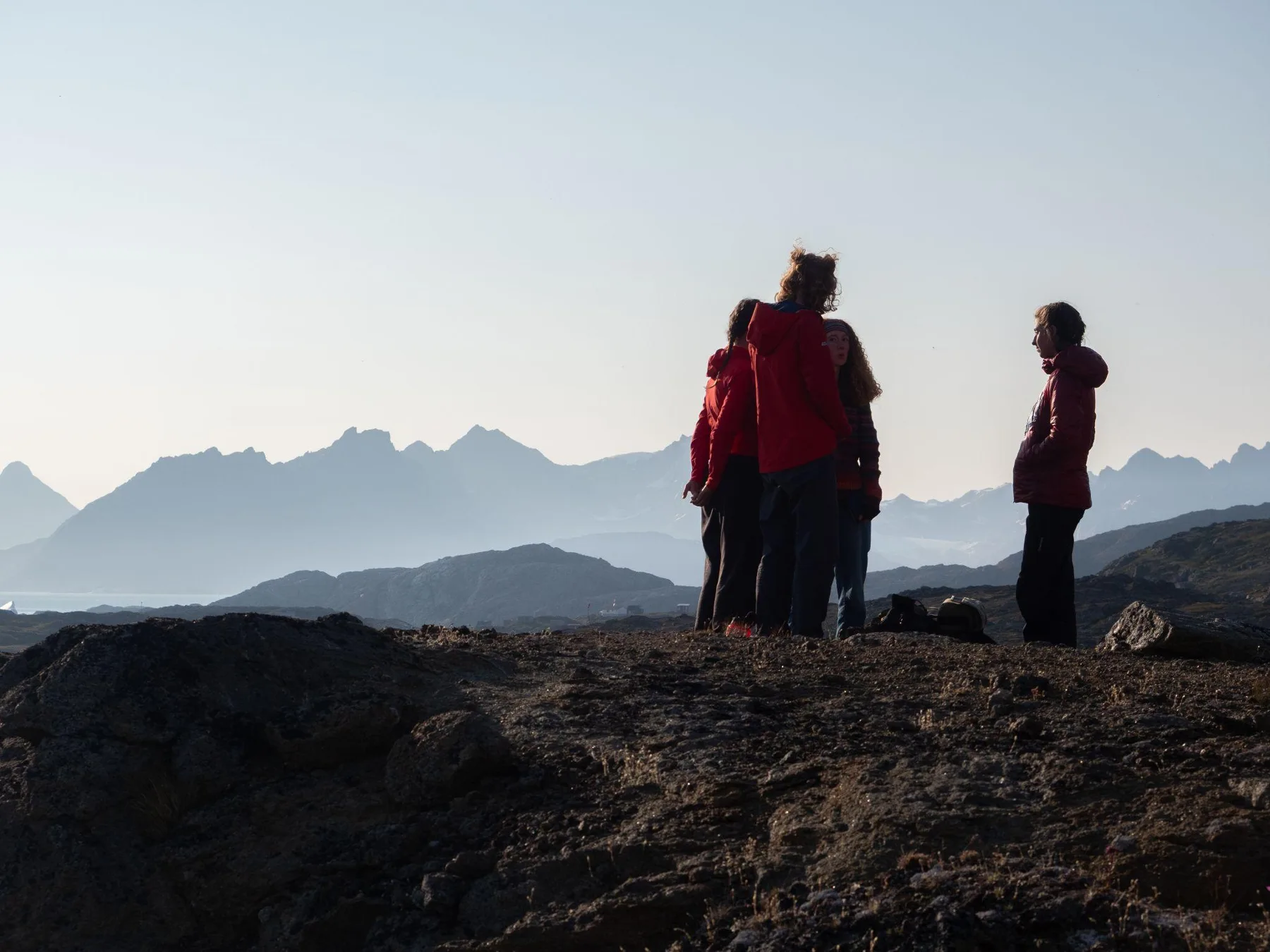
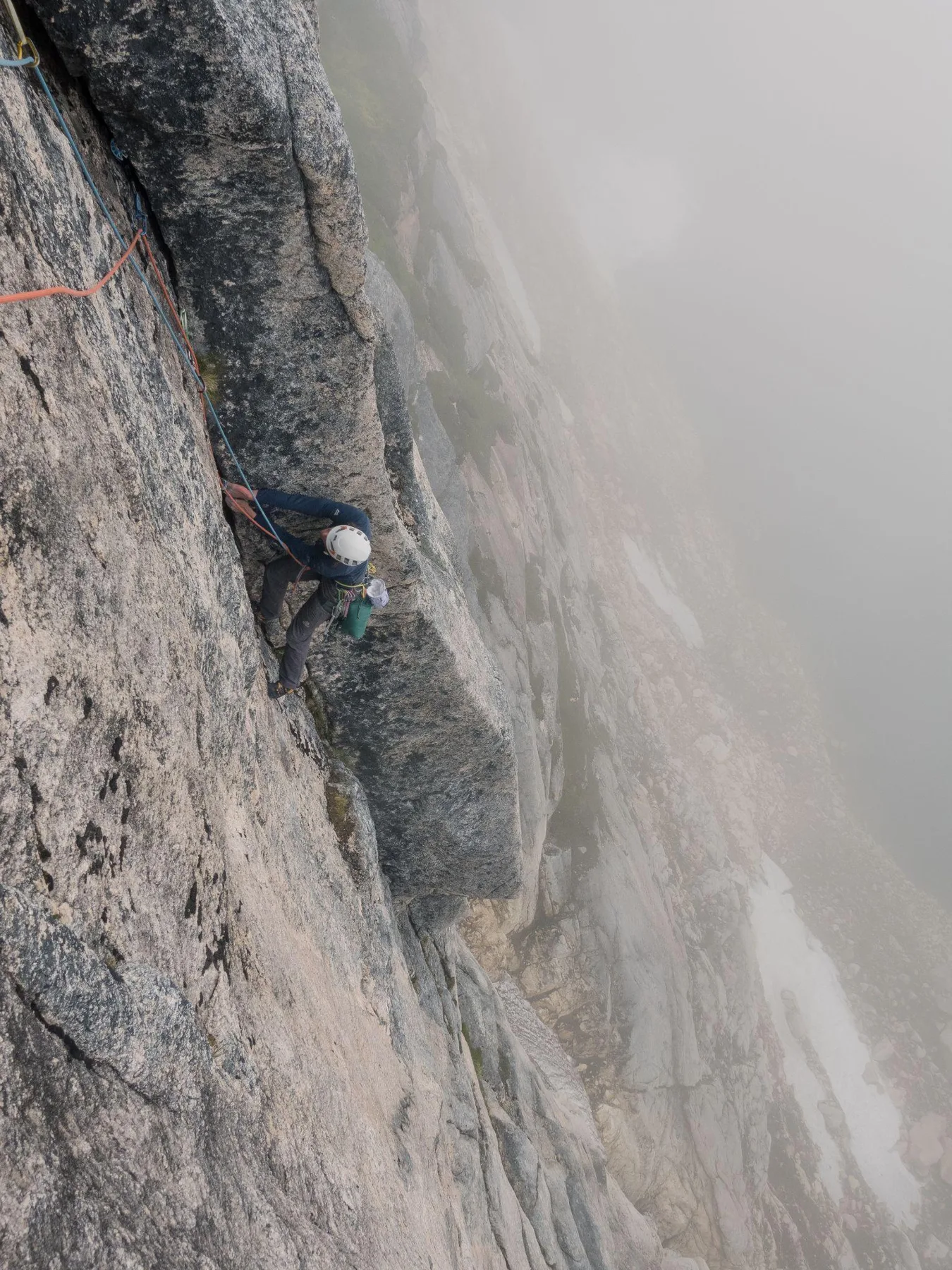
With enough testing we were confident we could continue south to Graah Fjord, but the next weather window was the 3rd August, so we had a few days to wait out. One of the days was climbable, so Charlie, Meg and Lara and I set off into the fog to find a promising buttress Matt had described to us. We climbed what we believe to be two new routes: Charlie and I did Clutch Cone Corner, 110m E1 5b, a nice slab and long corner up the nose of the buttress, while Meg and Lara did The Mists of Avalon, 110m HVS 5a taking a crack system left of the nose.
We set off for Graah Fjord on the evening of the 3rd August, and kept keener watches at night due to icebergs. Unfortunately, early into leaving we discovered the gearbox was in fact slowly leaking, because we had no way of professionally changing the ring seals. And so, for the remainder of the expedition, Meg and Charlie would crawl into the engine bay every four hours to top up the oil. This constant change of oil probably kept the gearbox in healthy shape, or we just got away with it.
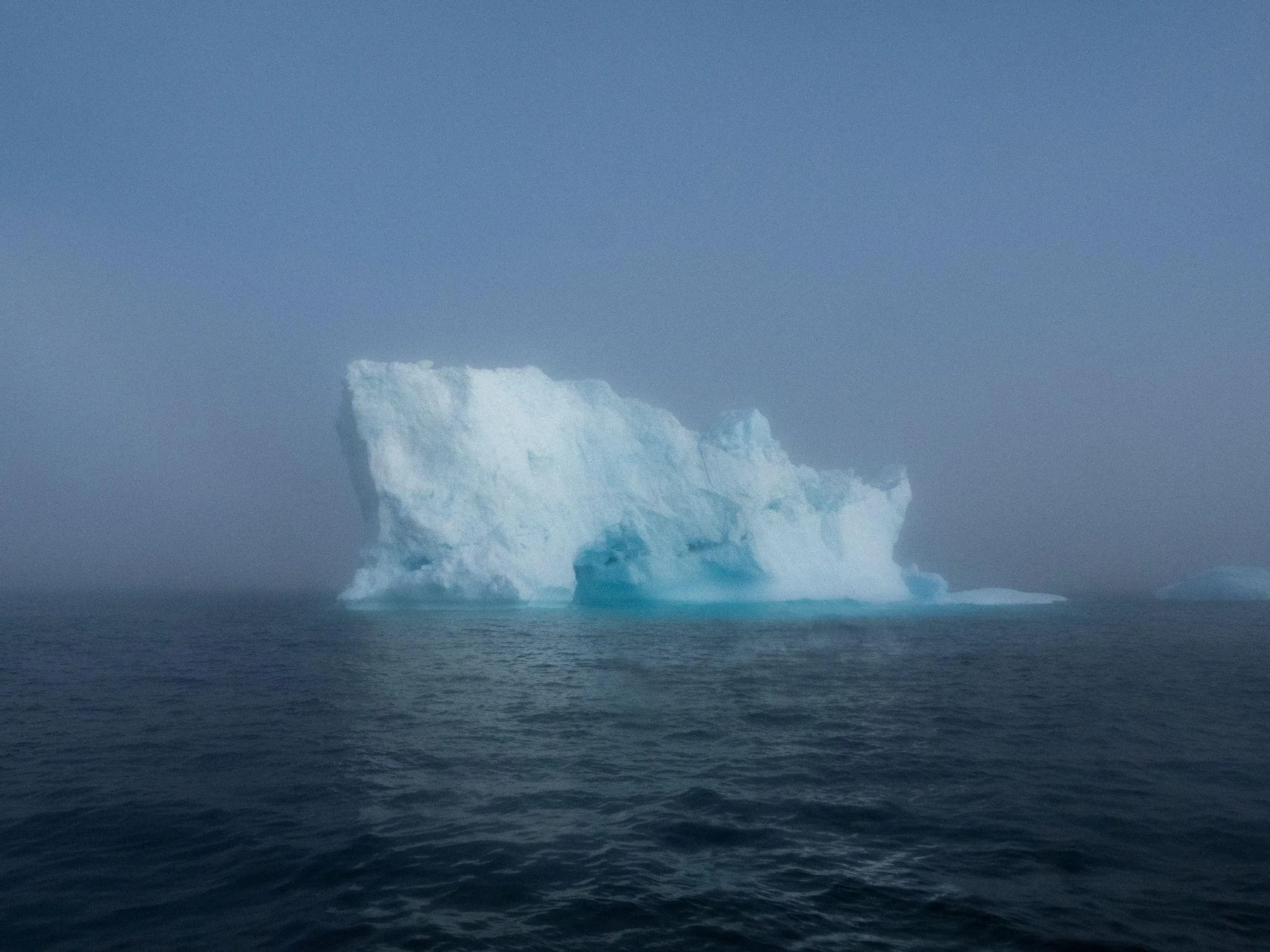
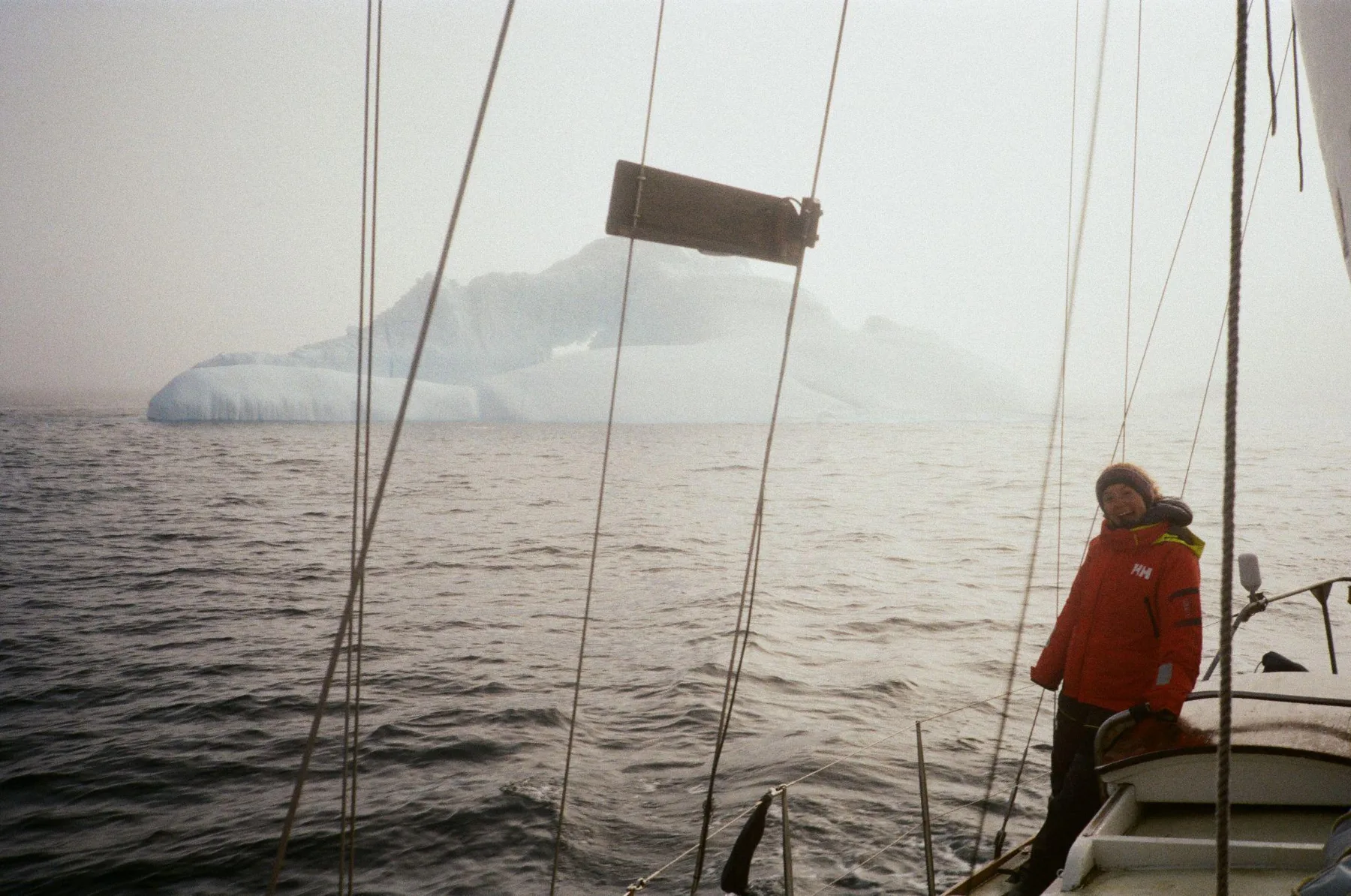
By early morning on the 5th we were weaving through a 15 mile band of icebergs in dense fog. We upped watches to three people, with one always at the bow. Some five miles out from the coast the icebergs began to thin out, but now we were relying on our homemade satellite charts of the area to direct us in through the fog. Thankfully, the offset was not too big and we emerged unscathed from the fog ten miles into the Fjord, revealing a paradise of rock, sun and crystal waters. We were ecstatic - it is quite the feeling to be in a remote and otherworldly place after two years of planning and effort!
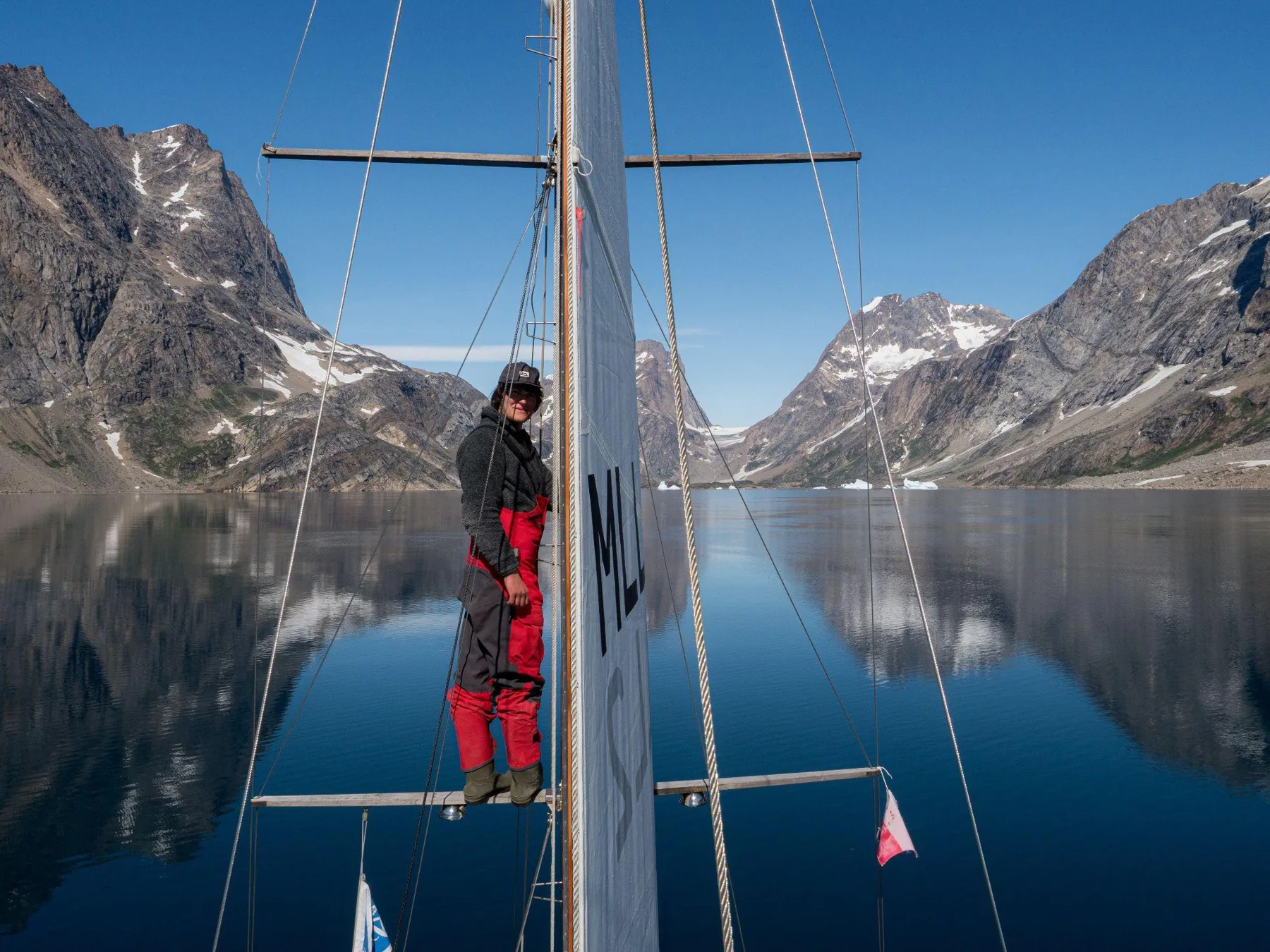
Circling the head of the fjord a few times, we dropped anchor in a less than ideal anchorage. At 21:00 we were hit by bursts of catabatic winds.
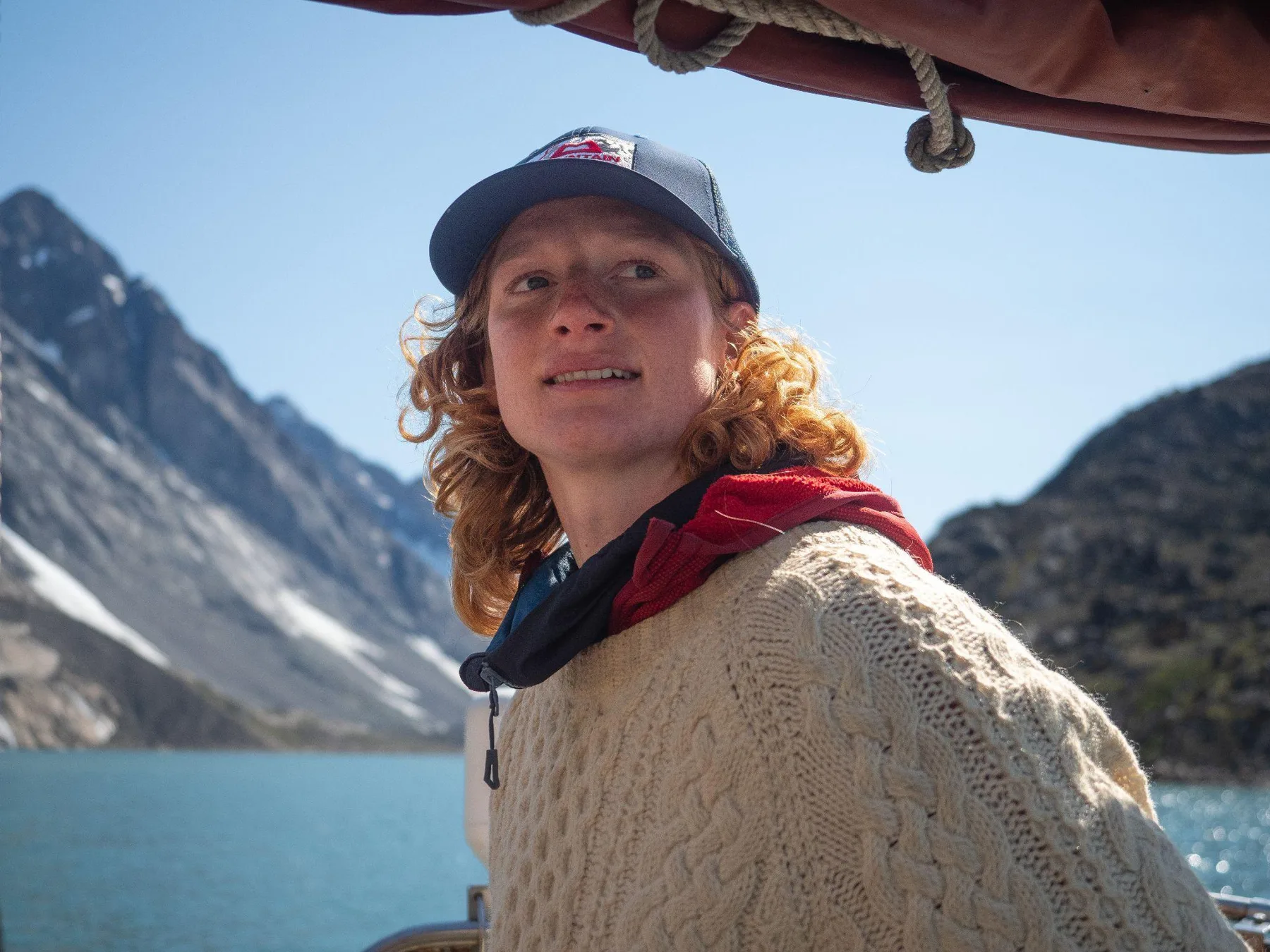
Our first day in the Fjord was spent scouting up on the dry glacier. The weather deteriorated through the day, which did not help feeling intimidated. The next morning saw us explore the second valley, trying a ridgeline which we had seen the day before. Unfortunately, we had to abandon our attempts due to a large, loose wall blocking our path. We spent the rest of the day scouting further up the valley, surrounded by wildflowers on the riverbed. Here we spotted some promising southwest-facing slabs.
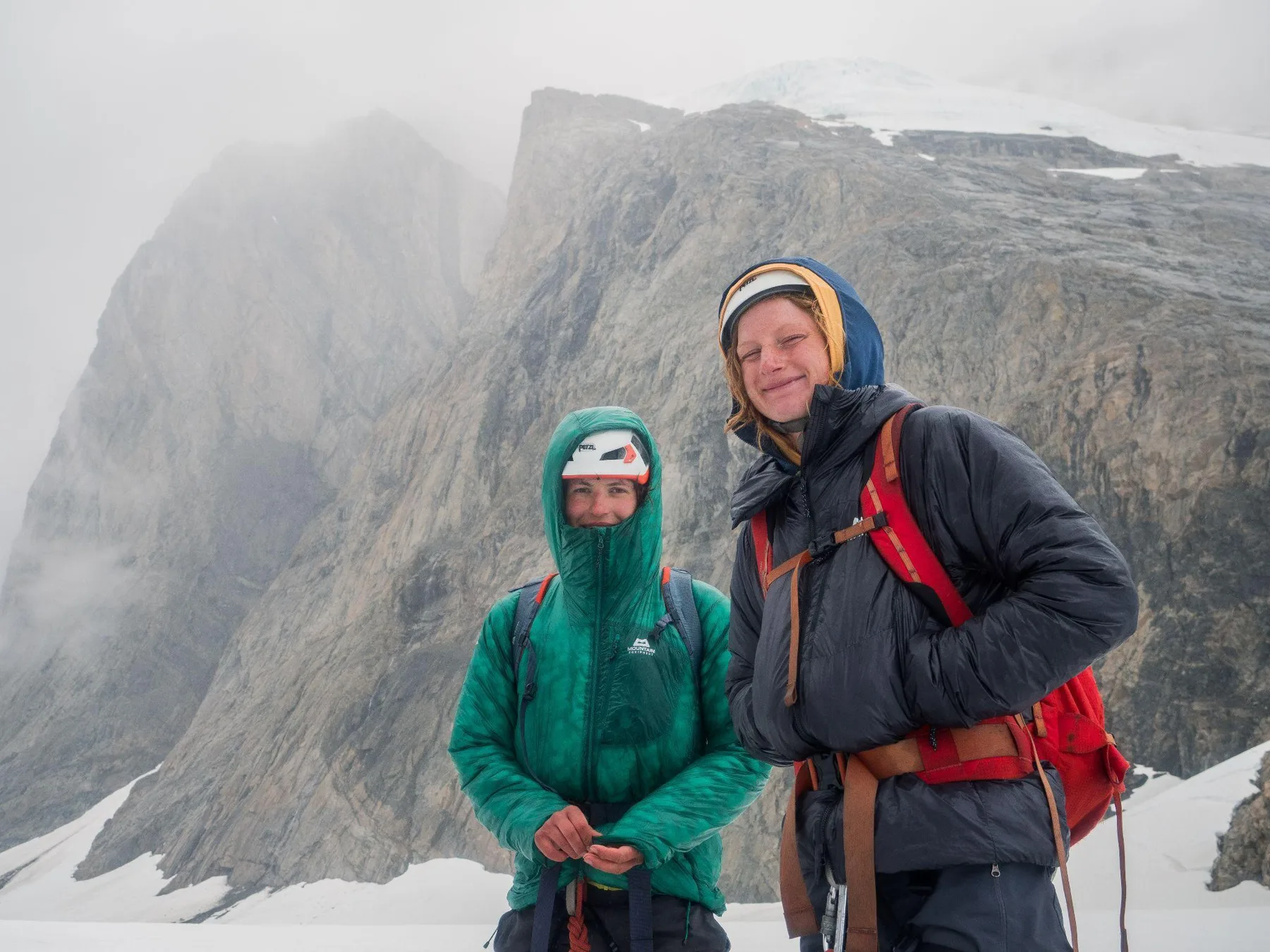
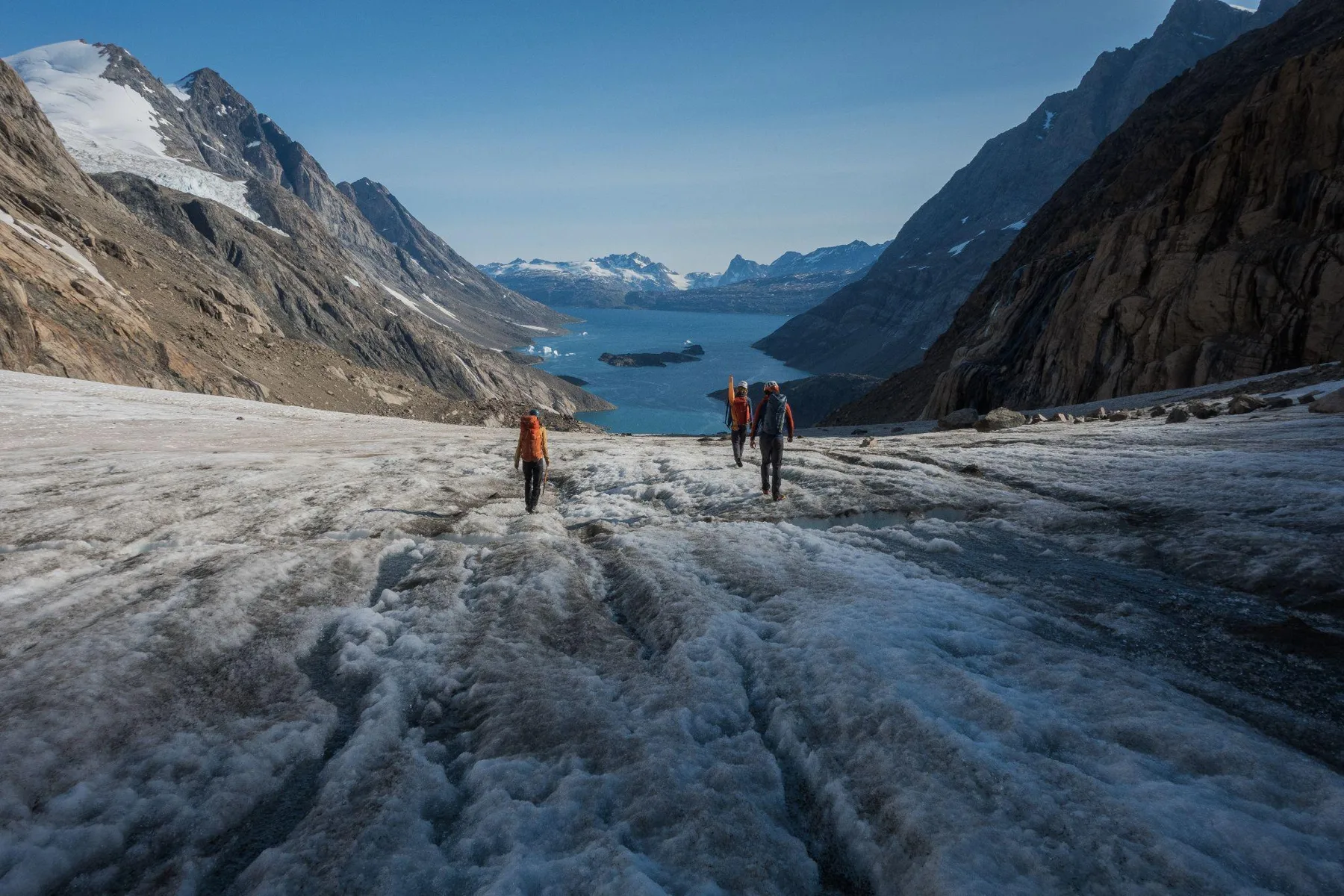
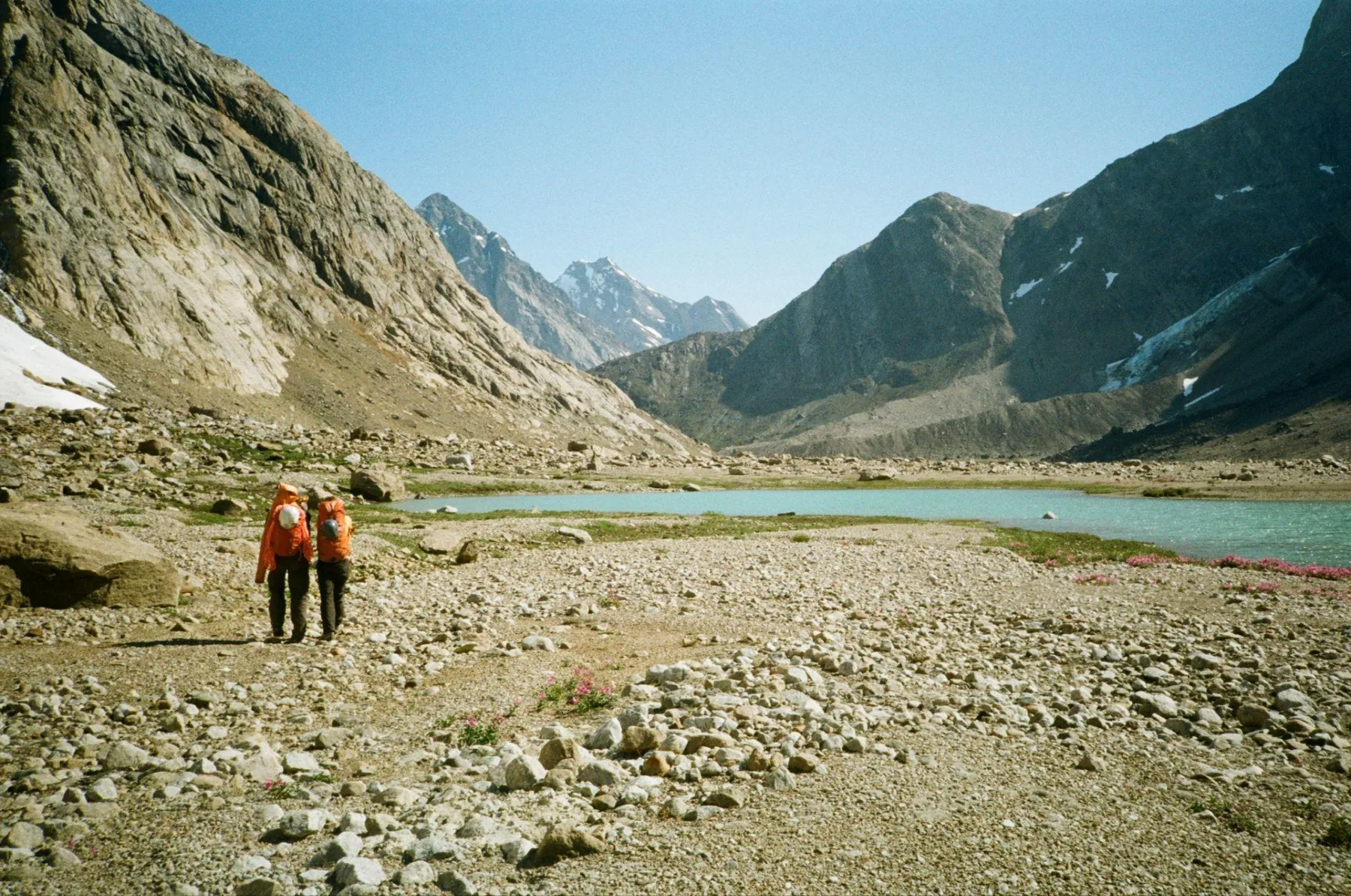
We returned the next day to climb the slabs, Charlie and I climbed Original Route, 240m, VS 4b, while Meg and Lara climbed Right Hand Slab Route, 240m, VS. Both routes take independent crack systems up the wall, meeting at a shared stance after 240m. The rock quality deteriorated significantly here, so we turned around again, a little disappointed.
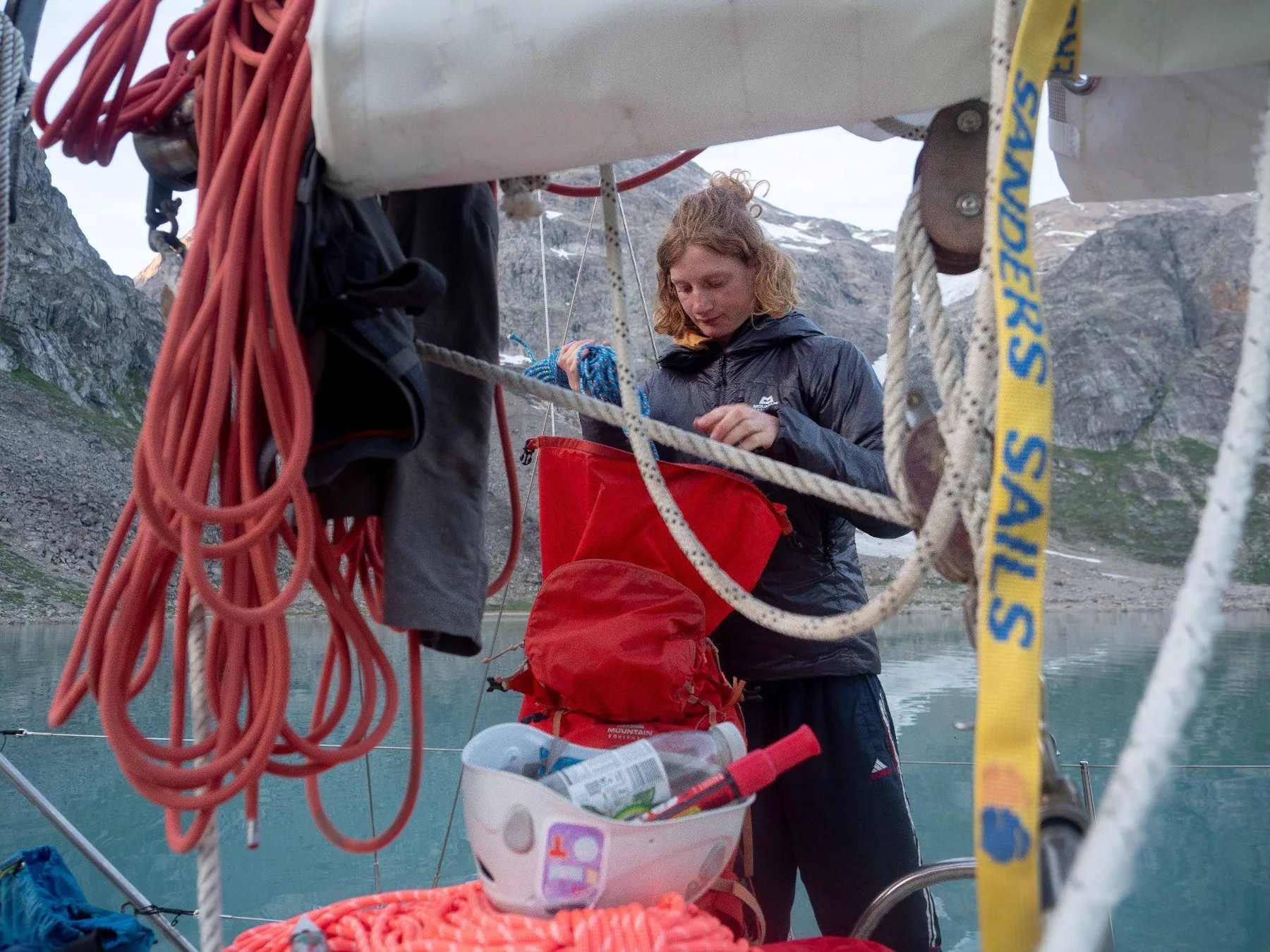
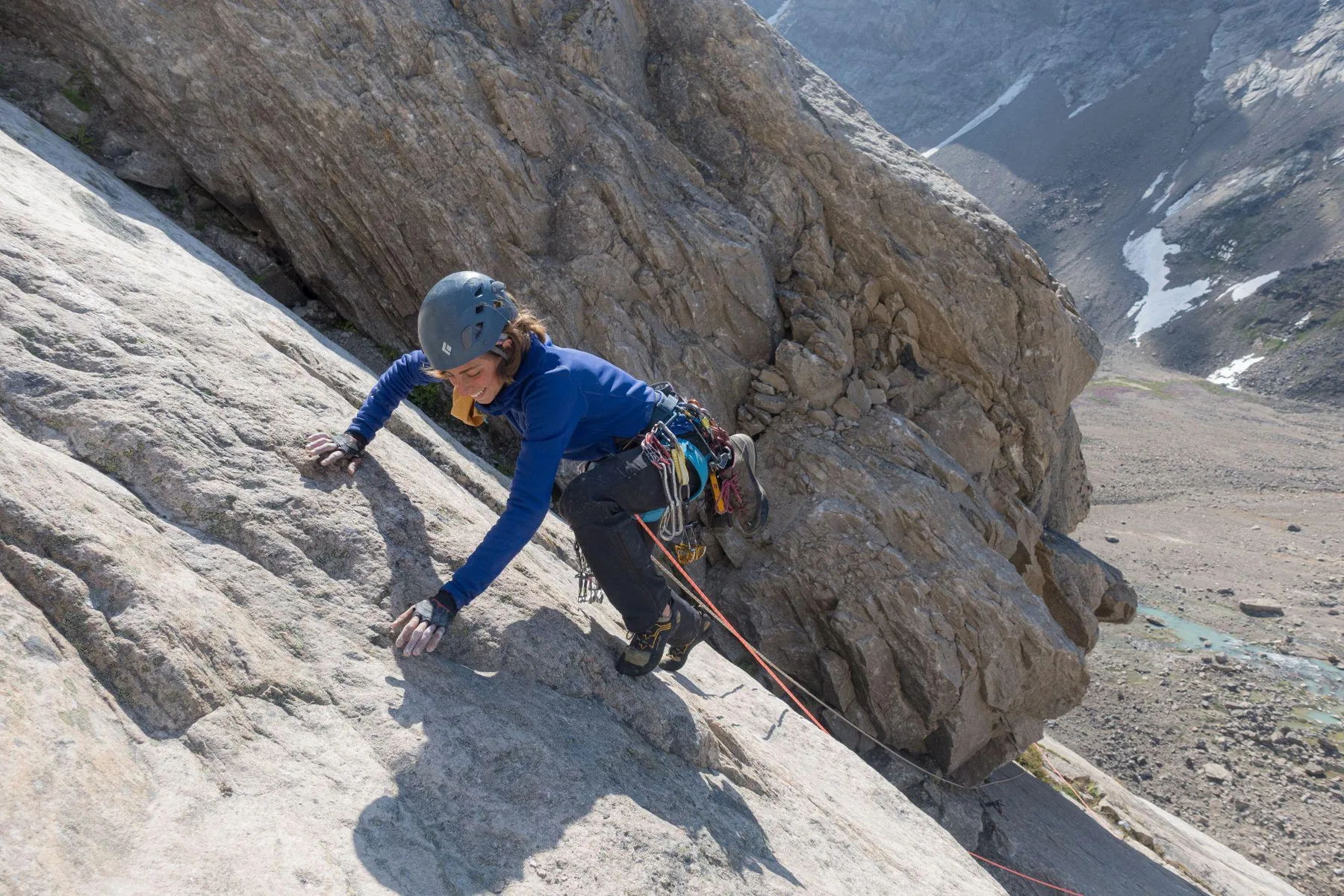
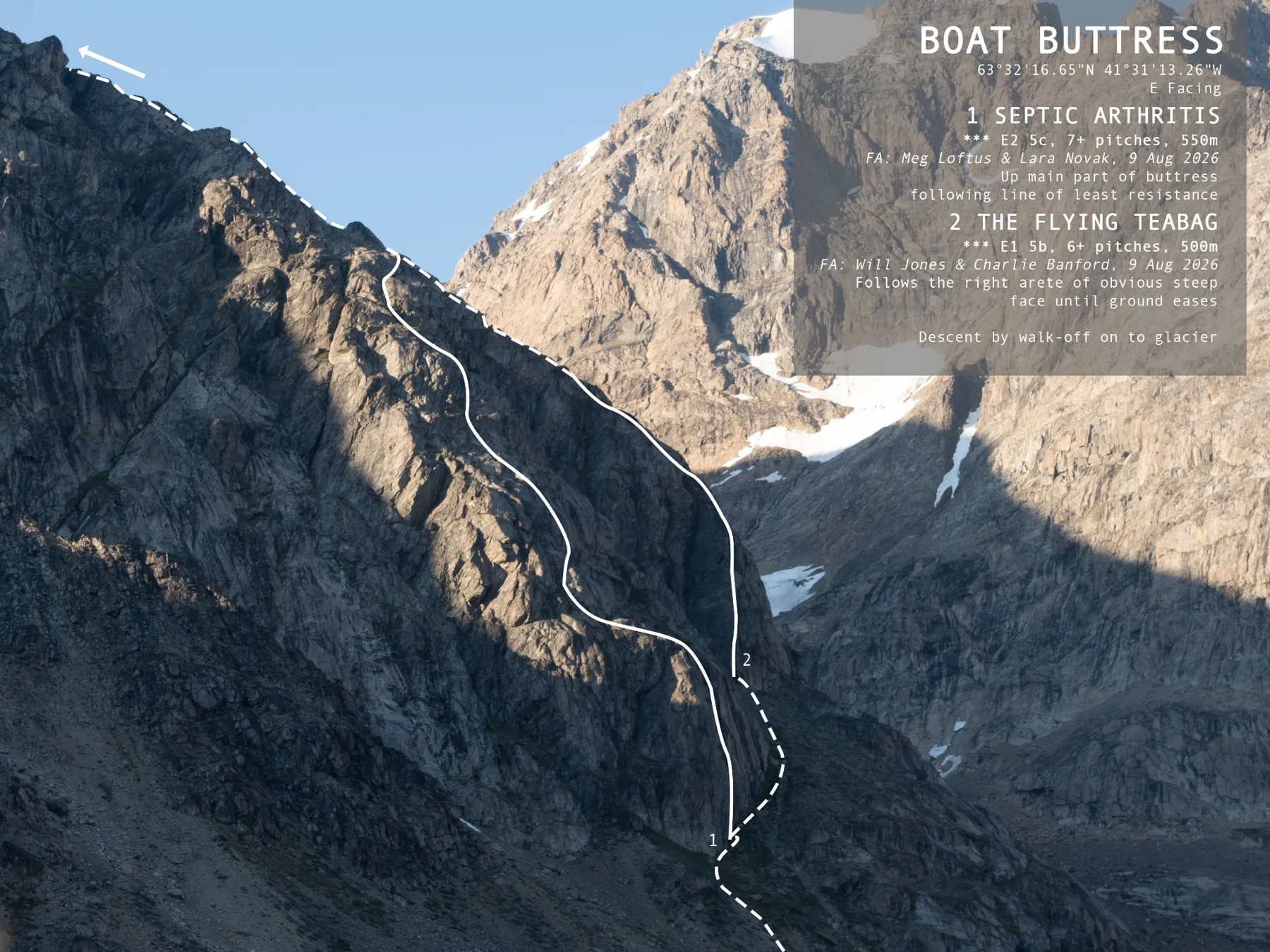
The following day, we decided we would make an attempt at the large buttress which sits above the anchorage, which we had dubbed ‘Boat Buttress’. We had a rough idea that we would be able to walk off the back, but it was still uncertain. Meg and Lara walked up the scree much faster than Charlie and I, so nabbed the most obvious line up the longest part of the buttress:
“The first three pitches comprised the steepest and most sustained climbing of the route, all at about HVS/E1. More climbing and choss-navigation brought us to a dirty corner (the hardest pitch, E2). At this point it was 17:00, and the boys radioed that they had reached the top. This gave us a rather false sense of hope that we too, were nearing the end, which was not to be true. However, we were having an excellent time in the warm Greenlandic sun! After 12 pitches, we scrambled the last 100 metres to the top of the buttress before descending the scree slope behind to reach the beach at 23:30. We called our route Septic Arthritis, 550m, E2 5c.”
Charlie and I climbed a route of similar quality, up the arete of a 100m shield of rock visible from the Boat. The first few pitches were on good rock, with some nice face climbing up to about E1 5c, but after the face, it turned to ledge shuffling and eventually scrambling to the top. We found you could walk off the back and down onto the glacier, removing any worry about abseiling.
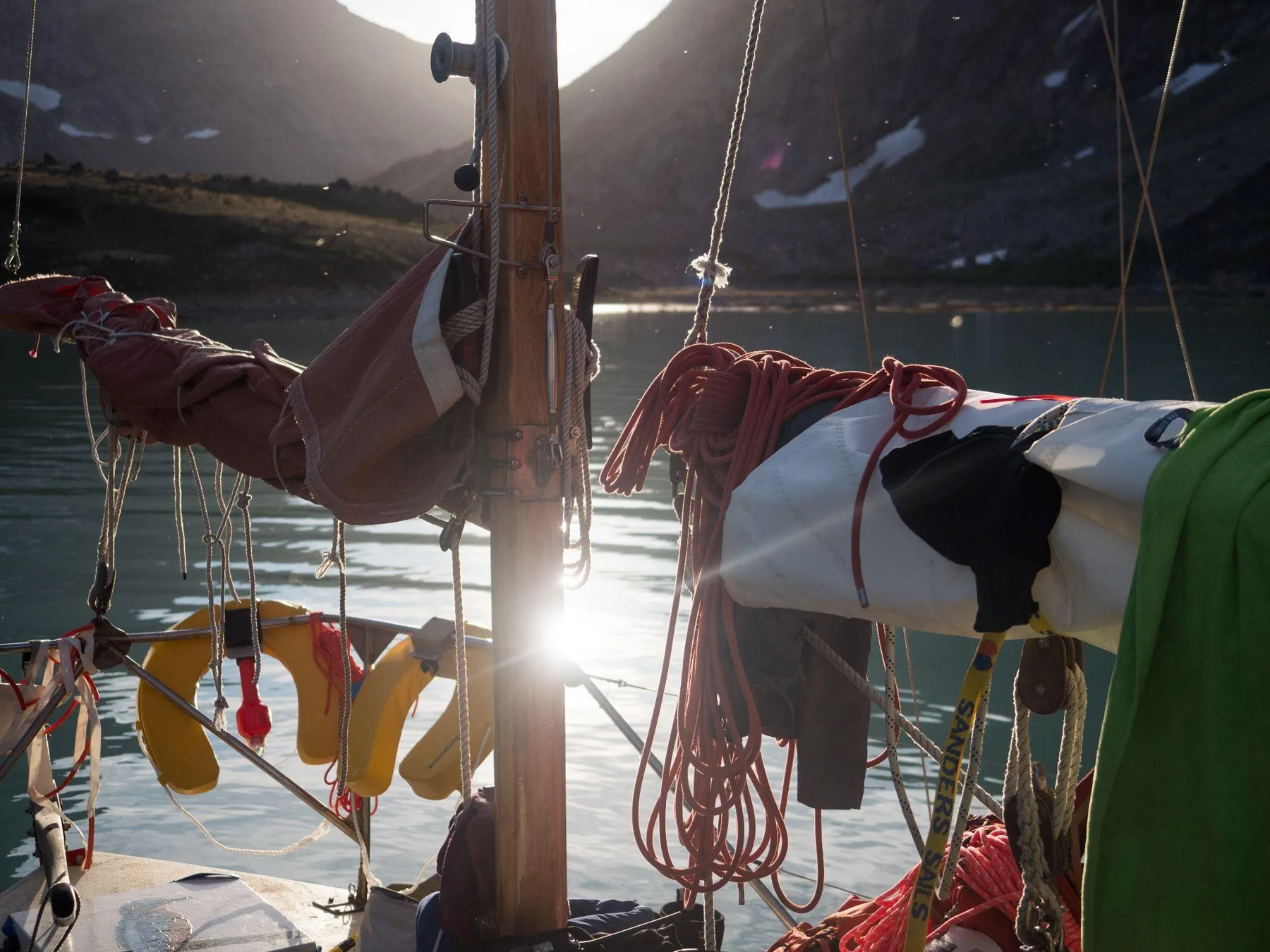
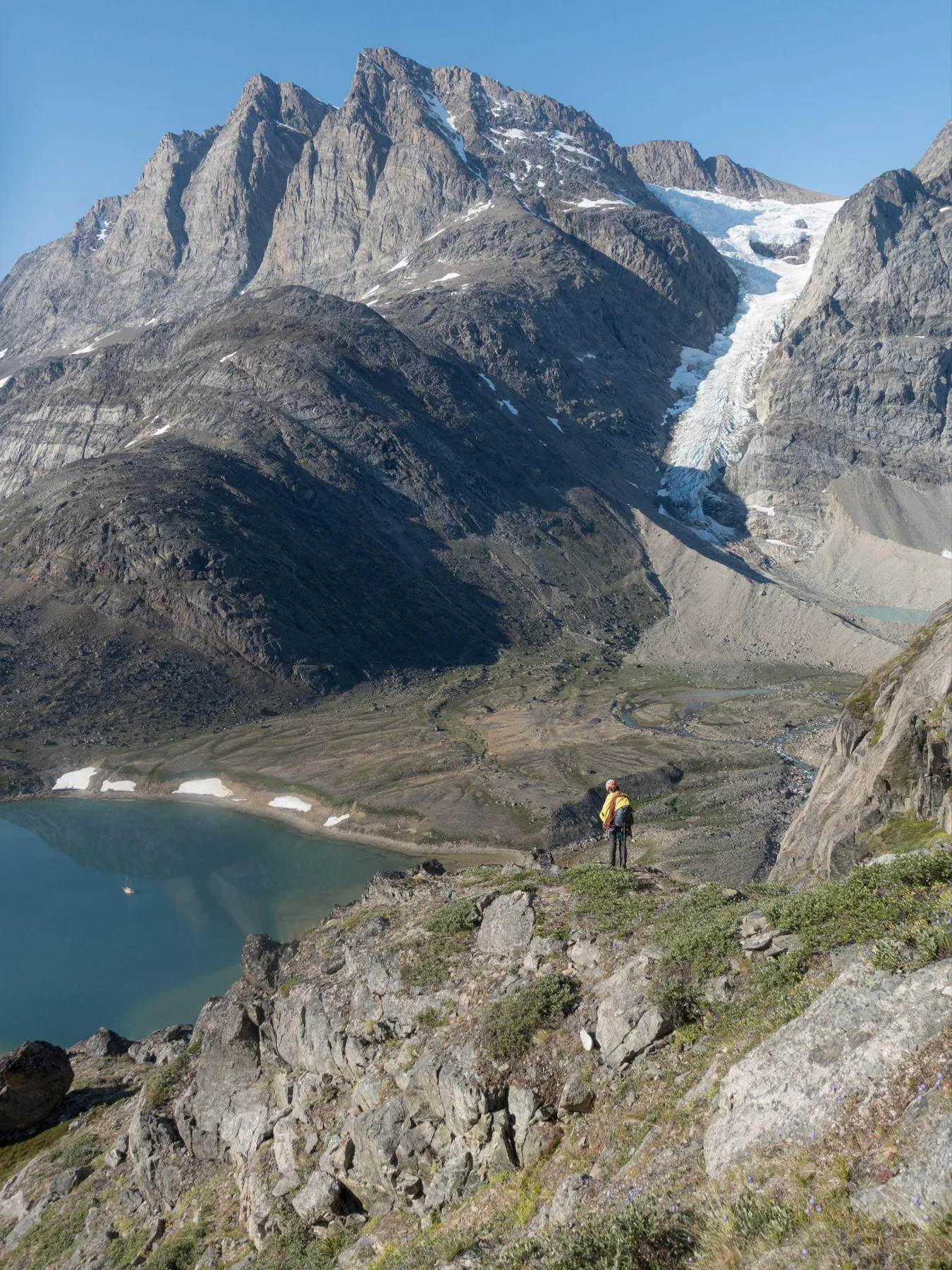
We were much happier after our day out on Boat Buttress - we had achieved what we had set out to do, and anything else was a bonus. We were also tired and felt we had earnt a rest day, which Charlie and I used to chart the anchorage, while Meg, Lara, Bella and Gabi went on a walk to the glacier.
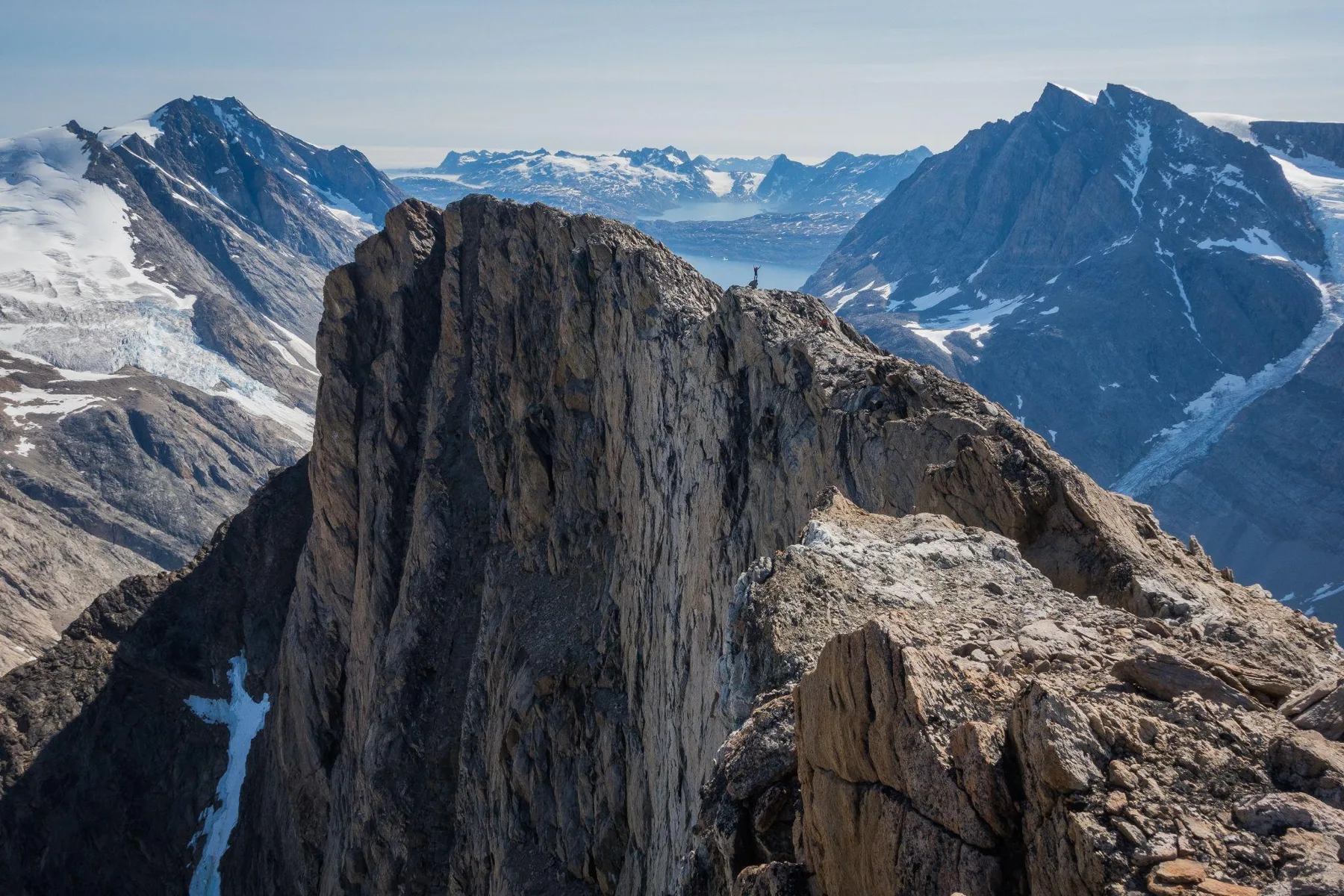
On the 11th August, we set out as a team of four to attempt the ridgeline that continues above Boat Buttress, which we were now referring to as ‘Phoebe Rose Ridge’. We were unsure as to whether the Women’s SAC expedition had used it to descend ‘Imaqa’, but we wanted to get up high anyway. We scrambled up early in the morning, through a wonderful cloud inversion, sticking to the eastern edge of the ridge. We found a cairn at the first summit of the ridge, about where ‘Imaqa’ would top out, but continued along a narrower part of the ridge to more summits. The views were incredible - it was hard to tell where the ice cap ended and the bed of fog laying on the ocean began. Knowing that there is most likely nobody in any of the hills around is an isolating feeling. Unfortunately though, we were turned around by a heavily crevassed gap across from which was the true summit. It was too late in the day to make a safe crossing, and we were not adequately equipped. We kept it in the back of our minds, however.
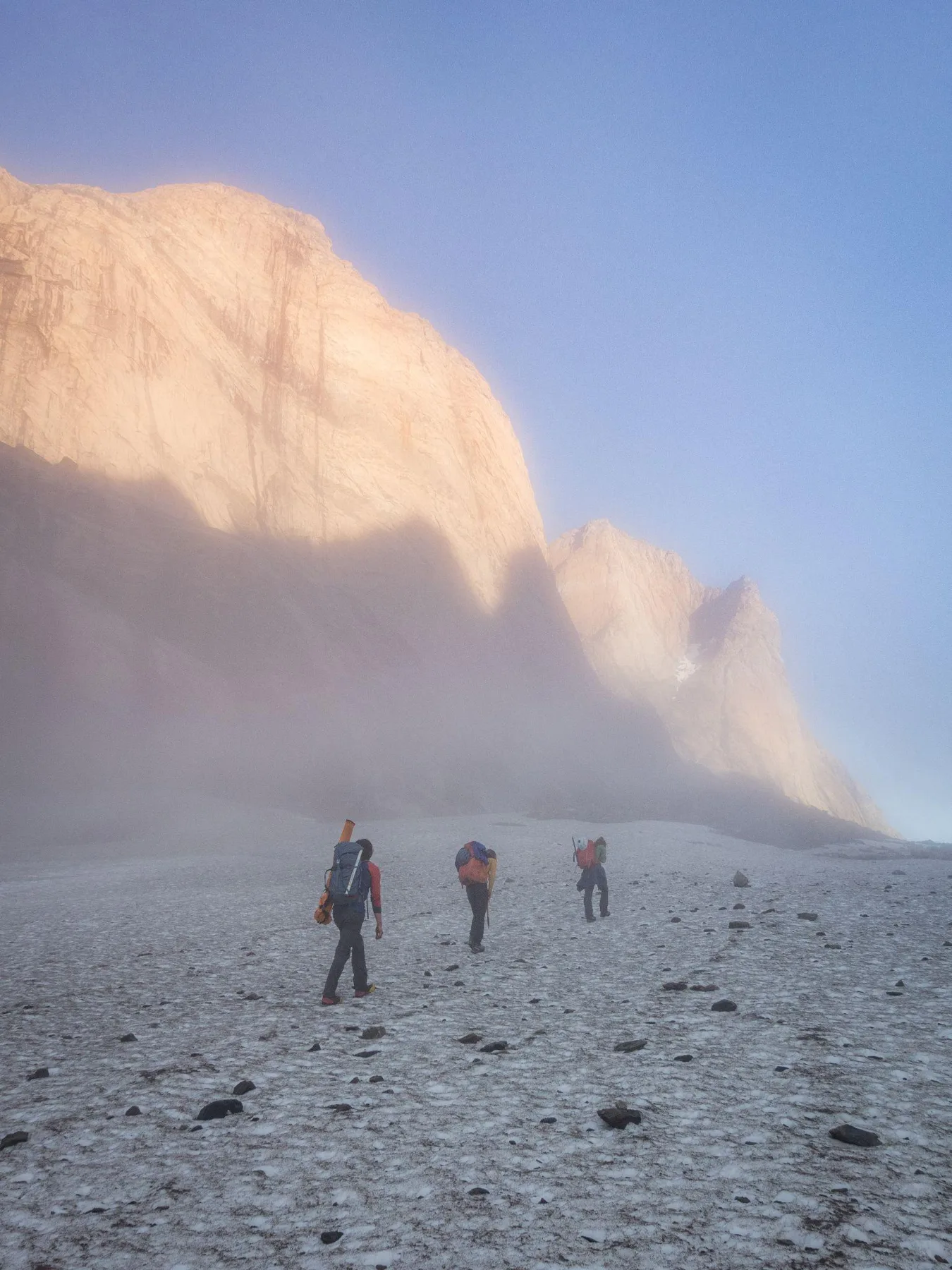
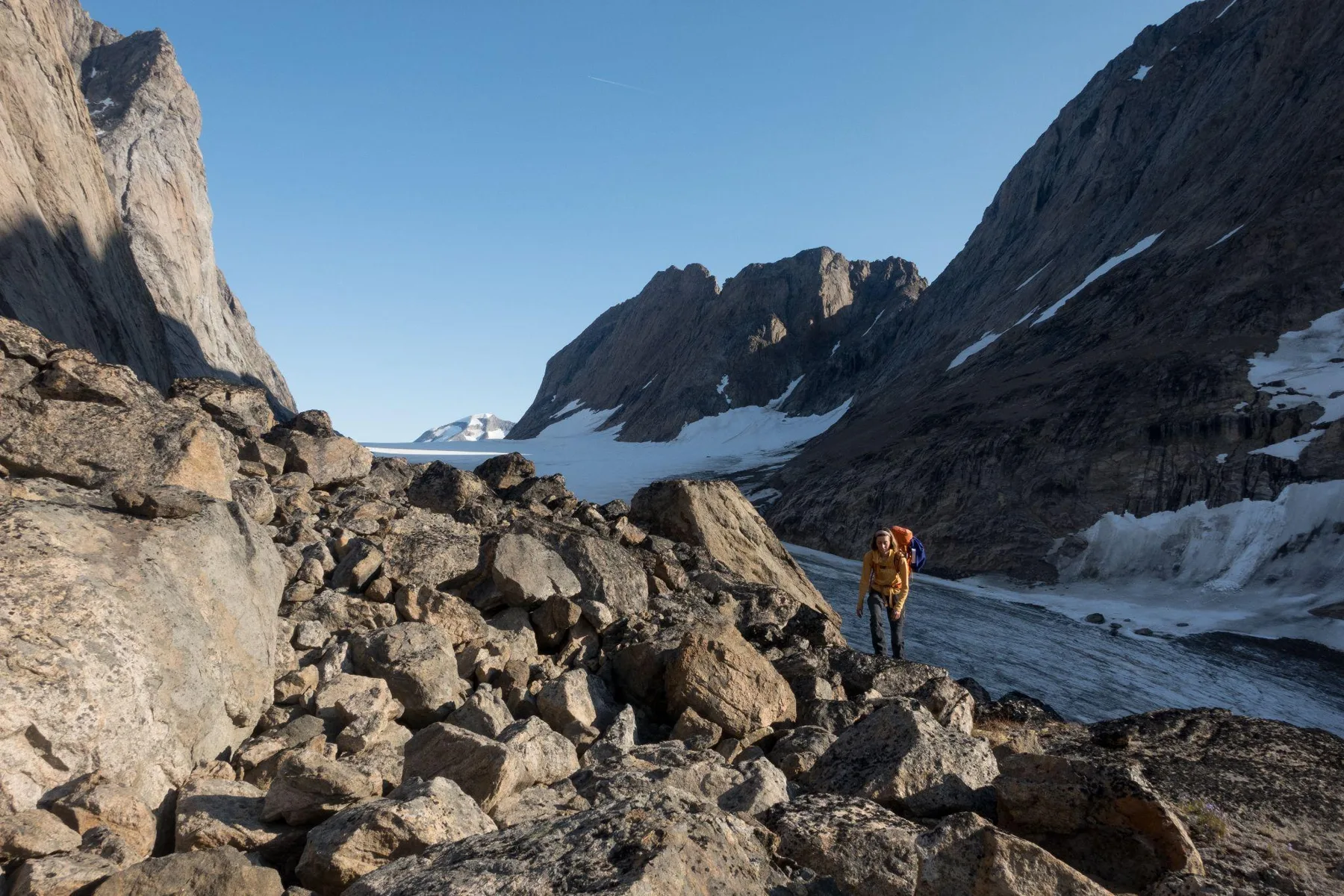
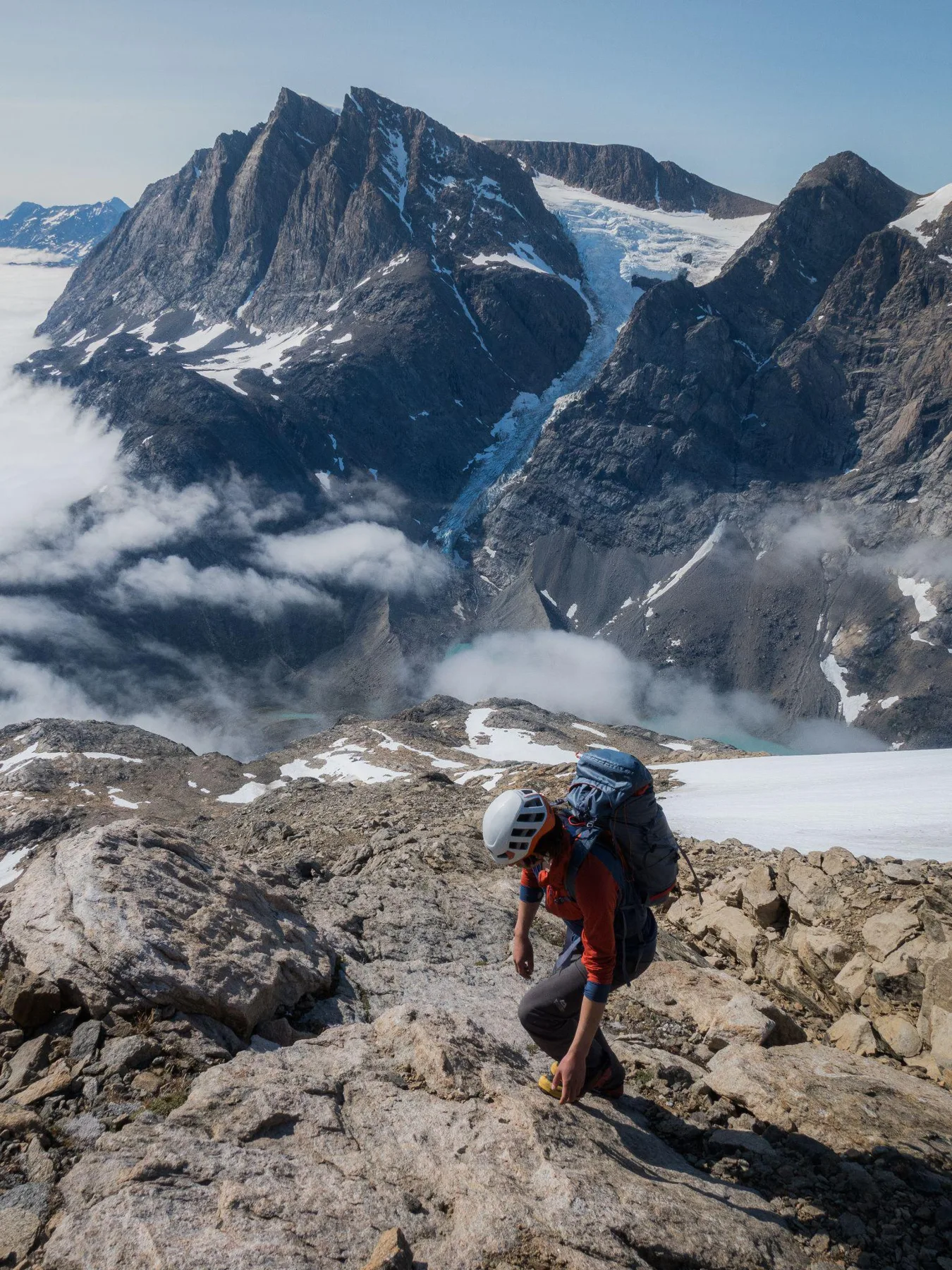
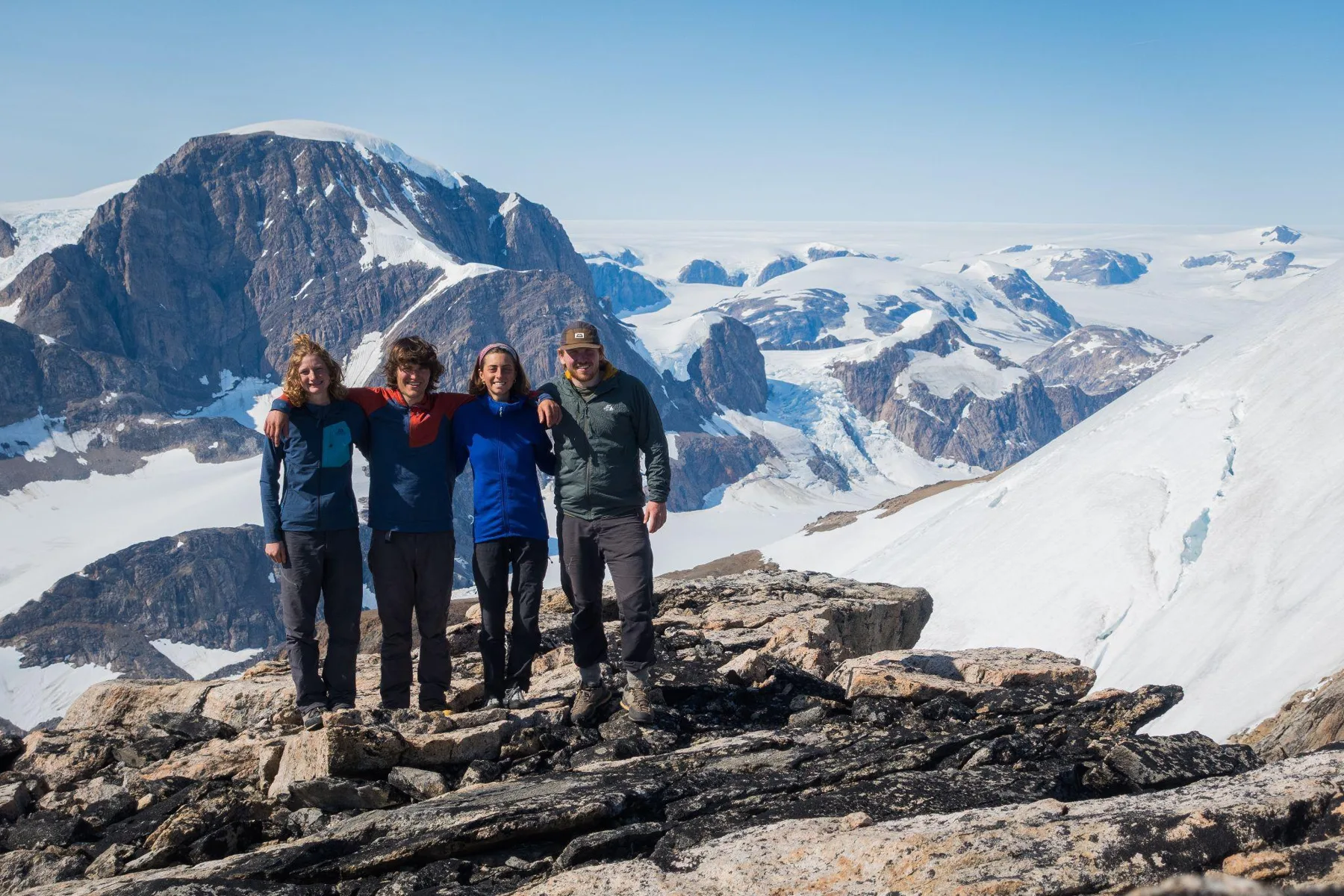
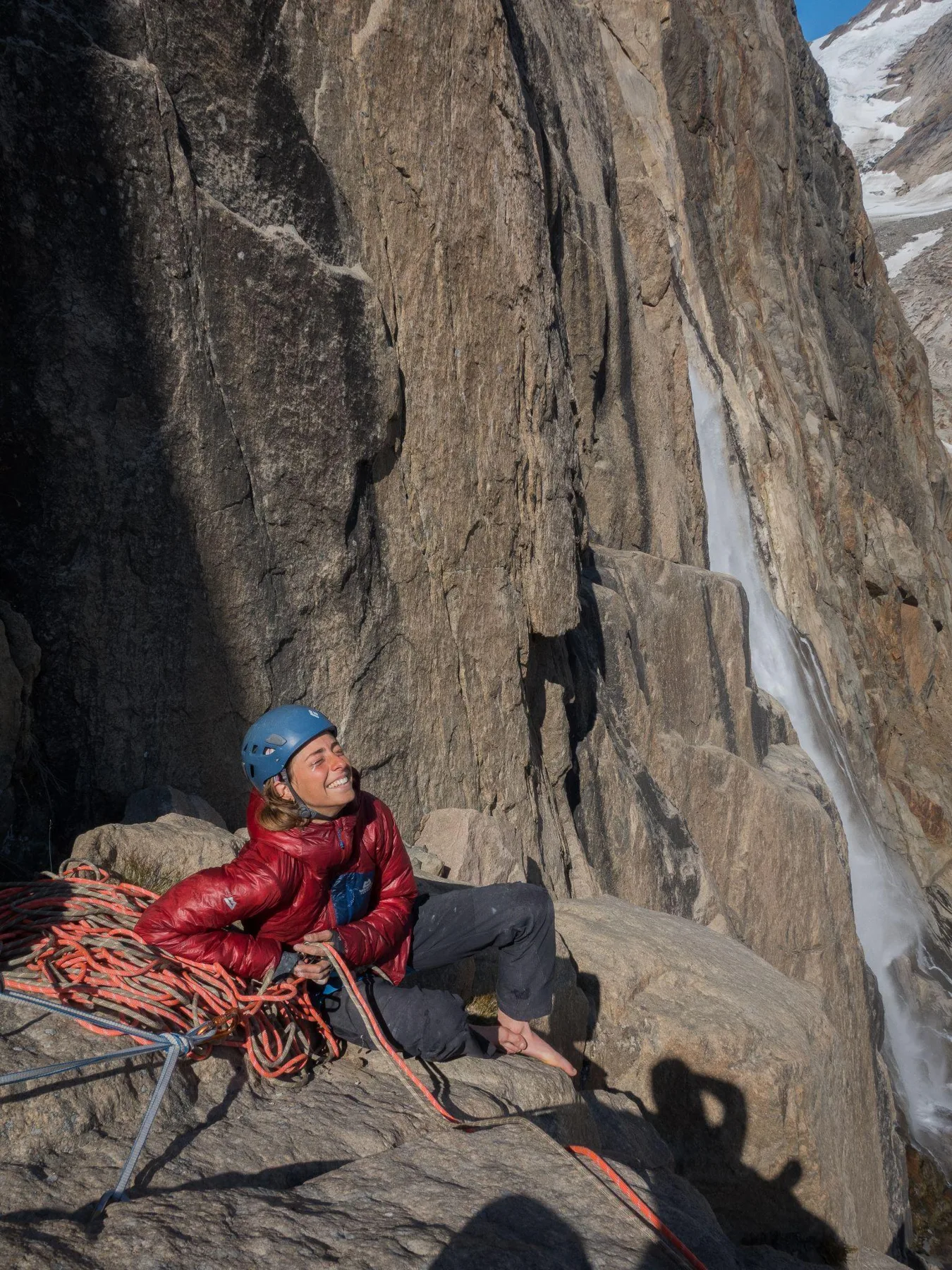
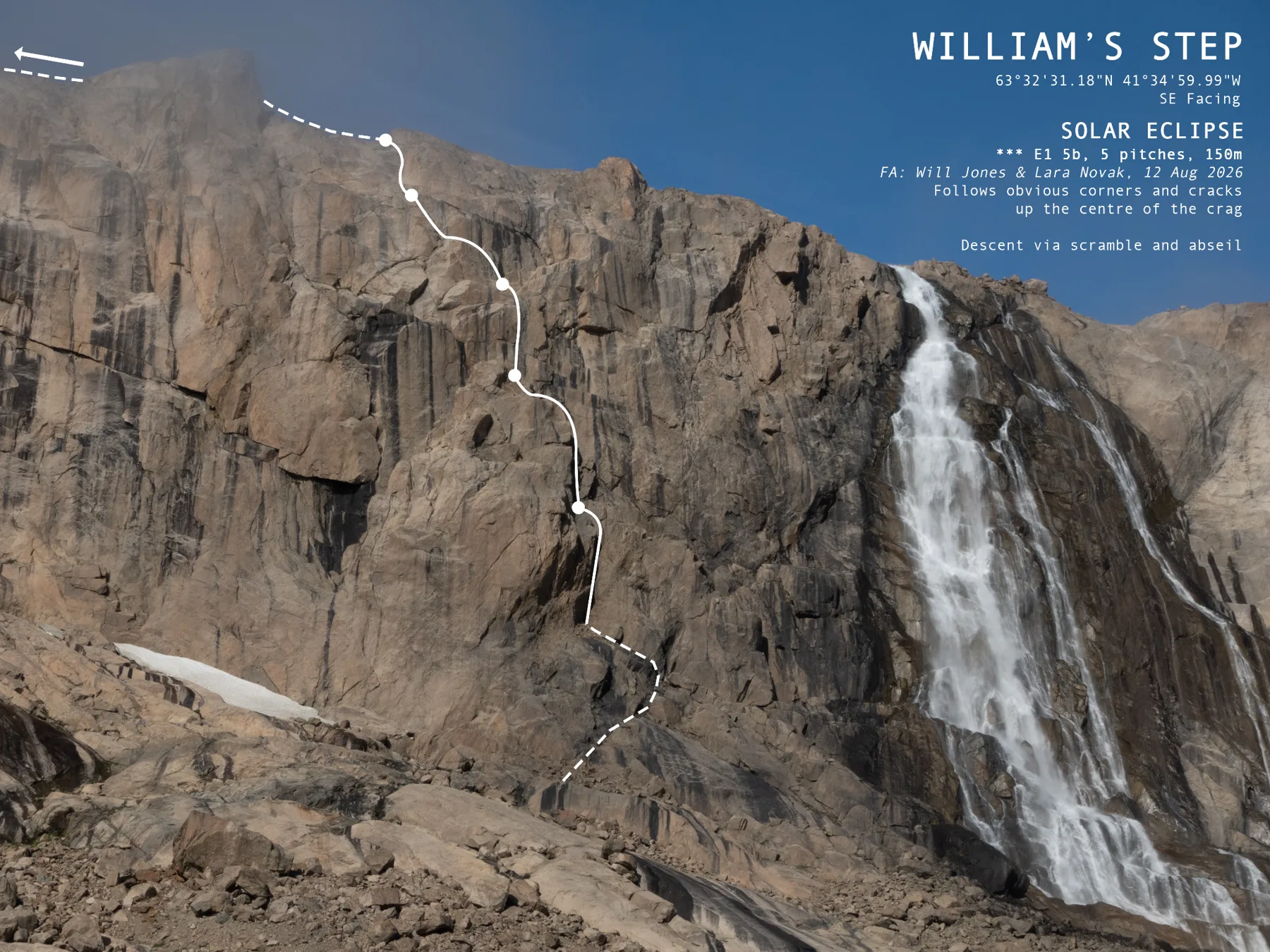
On our final day, Meg and Charlie wanted to make another attempt at a mountaineering route, so went off to attempt a novel peak straight above the eastern edge of the bay. Lara and I went to try to climb what I had been wanting to climb all week, dubbed “William’s Step”. It sat at the head of the leftmost valley, and consisted of steep, waterwashed rock sandwiched between two waterfalls. The route turned out to be everything we had hoped - a mixture of overhanging corner cracks, technical face climbing and finger cracks. We topped out in the afternoon, in time for a swim in the pools that sit beside the waterfall. Upon exiting the water, we thought it was getting suspiciously darker - it was the solar eclipse! And so of course we named our route Solar Eclipse, 150m, E1 5b. Charlie and Meg had had an excellent day of technical scrambling on “Pimple Mountain”, but were forced to stop 200m short of the summit, due to a steep chasm that would need a fixed rope to escape.
When we got back to the boat, we checked the weather, and confirmed that we would need to be leaving the following day, to avoid a low pressure system coming up the coast. Stowing our climbing gear away was bittersweet - we had managed to climb, but one could not help but feel we could never have enough time there. As we left the fjord we once again re-entered the fog, and once again navigated through the thicker ice to head back up to Kulusuk. The nights were noticeably darker now, and we expected to suffer a bit on the way home. However, the sail back to Kulusuk was peaceful, except the frenzied crew when a pod of Orcas was sighted - two came up some ten metres from the stern of the boat! Our last morning in Greenland was of anxious anticipation - there was a low pressure to the south which could be unpredictable, and we were worried about getting stuck in Iceland. Still, we dragged ourselves out of bed to weigh anchor, motoring east into light headwinds. The wind died on the morning of the 19th, and we ran our tank dry. We still had 50 litres in jerry cans, enough for some 24 hours of motoring but that would be it, and we were still several hundred miles out. The following days of becalment drove the crew a little crazy as we had eaten all of our fresh and tasty food. However, a breaching humpback whale got our spirits back up and by the 21st we were back in Vestmannaeyjar, just escaping another large low pressure system.
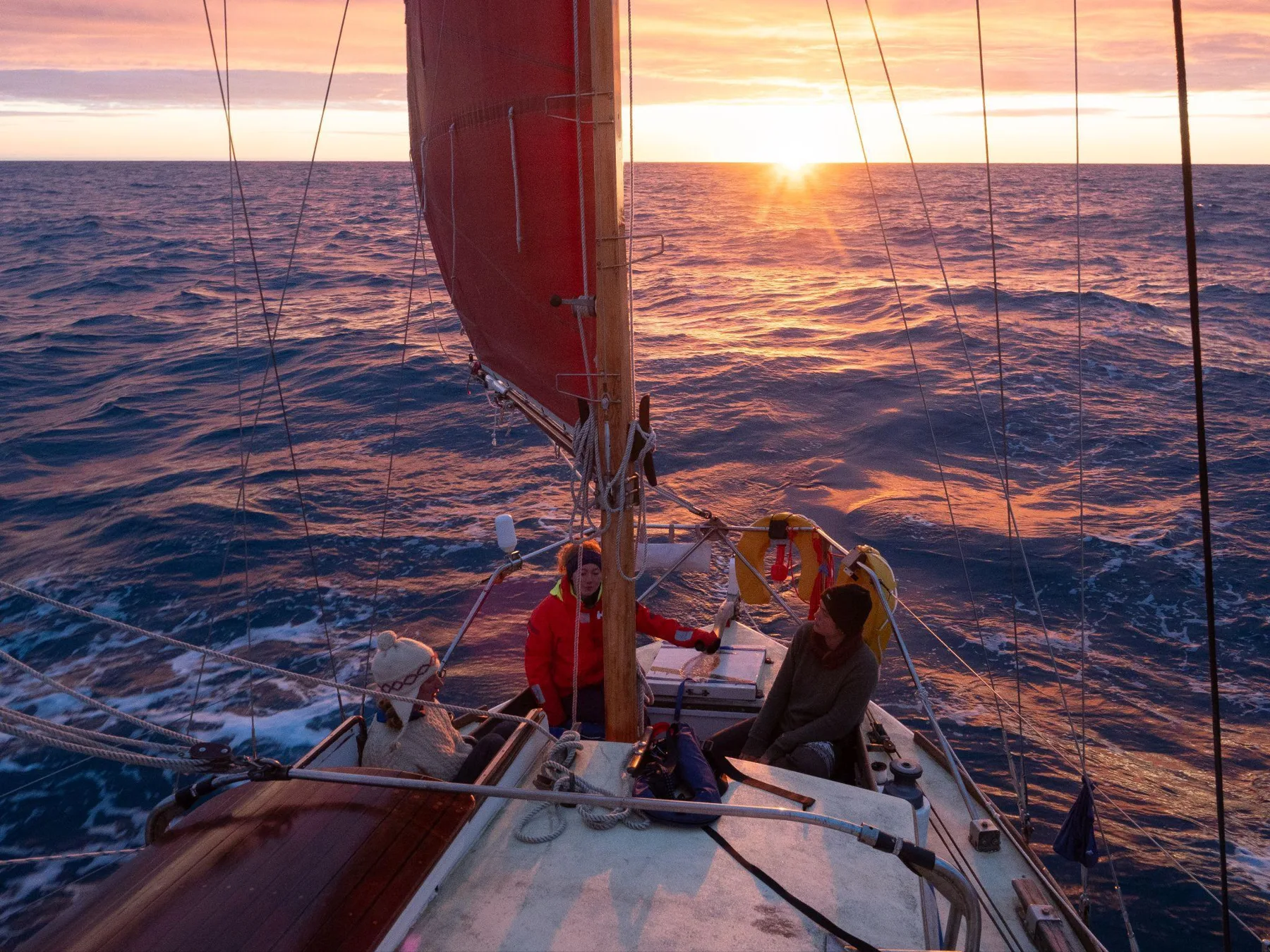
The weather was due to turn good on the 25th, so we kept busy in the hot baths and looking at pufflings! We set off pre-dawn, and had an exceptionally speedy return to Ullapool - Kingfisher wanted to be home! We even hit 8 kts at one point, which did not agree with me in the slightest. At midnight on the 30th we pulled back into Ullapool harbour, exhausted but with an immense feeling of satisfaction. We learnt a lot on our first expedition, and made many mistakes, but we could not have done it without the help of so many people at home and in Greenland. We celebrated our return with a long awaited chippy tea and a pint on the Ullapool quay.